
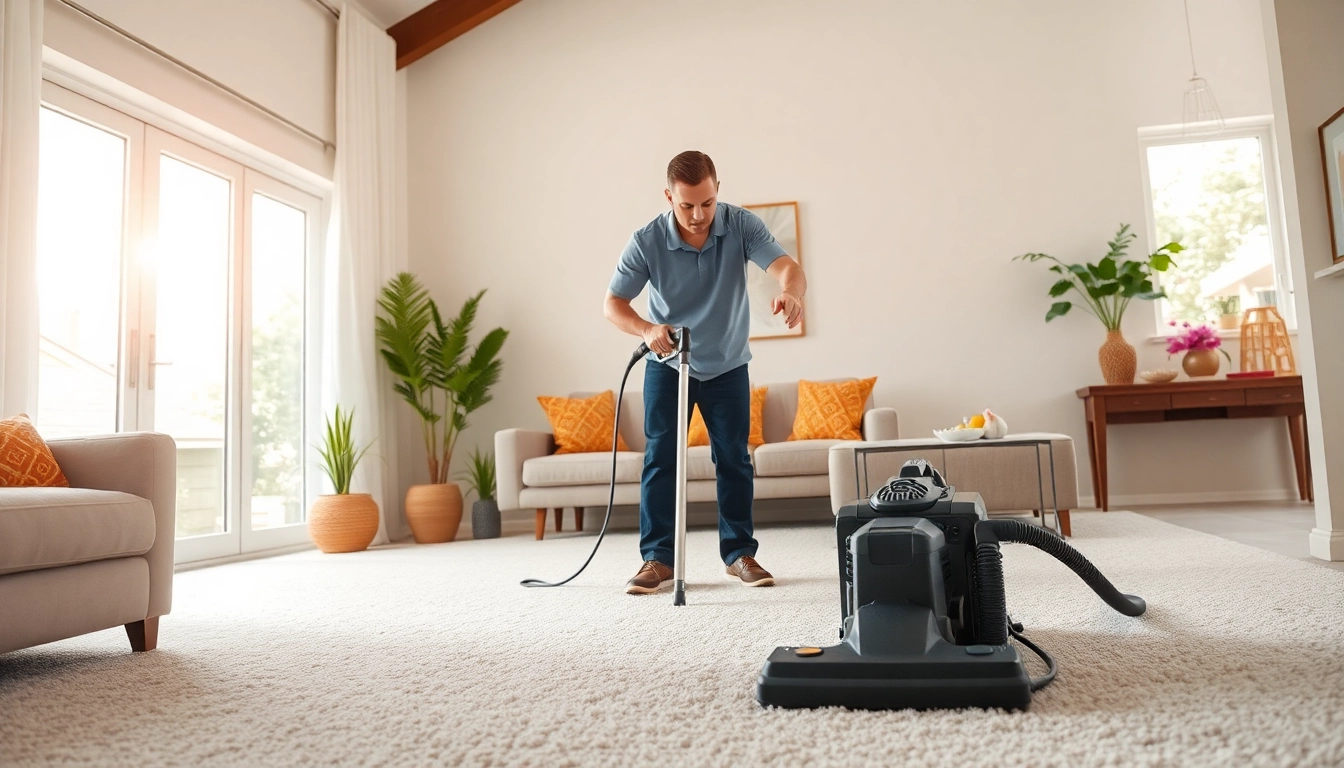
Effective Strategies for Pet Odor Carpet Cleaning in Your Home
Understanding the Importance of Pet Odor Carpet Cleaning
As a pet owner, you might love your furry companions dearly, but their presence can sometimes bring challenges, especially when it comes to maintaining a clean home environment. One of the most pervasive issues is the odors that pets leave behind in carpets. No matter how much you adore them, neglecting pet stains and odors can lead to a less-than-satisfactory living space. That’s why investing in pet odor carpet cleaning is essential for a fresh and healthy home. Not only does it eliminate unpleasant smells, but it also contributes to preserving the value of your carpets and overall indoor air quality.
Why Pet Odor is a Problem
Pet odor can be a stubborn challenge. Pet accidents can permeate deep into your carpet fibers and even into the padding beneath. Common issues like urine, feces, and vomit can emit odors that are not only unpleasant but can also lead to an unhealthy living environment. Bacteria thrive in these soiled areas, which can aggravate asthma and allergies for some individuals. Recognizing and addressing pet odors promptly is crucial for the well-being of all household members.
The Impact of Odors on Home Environment
The presence of pet odors can significantly affect your home’s atmosphere. A smelly home can make guests feel uncomfortable and may even lead to embarrassment. Furthermore, lingering odors can behave like a magnet, attracting more pests, such as fleas and rodents, which seek out the warmth and smell of pets. Cleaning carpets can alleviate these issues, creating a more inviting and healthier living environment.
Benefits of Professional Pet Odor Carpet Cleaning
While there are numerous DIY solutions available, professional cleaning services offer distinct advantages. Professionals have access to high-grade equipment and cleaning agents that are specifically designed to eliminate odor-causing bacteria and stains. They can ensure that deep cleaning reaches into the carpet padding and base, where odors often hide. Additionally, professional cleaners can offer advice on how to maintain a fresher environment post-cleaning, further enhancing the benefits of their services.
Common Causes of Pet Odors in Carpets
Understanding the causes of pet odors in your carpets is vital for effective cleaning strategies. Generally, pet odors stem from accidents or environmental factors. Identifying these sources can help combat the issues more effectively.
Types of Pet Accidents and Their Effects
The most common types of pet accidents that lead to odors include urine, feces, and vomit. Each of these has distinct cleaning requirements:
- Urine: Often the most problematic, as it can seep into carpets and padding, leading to persistent odors.
- Feces: If left untreated, fecal matter can cause severe stains and unpleasant smells that require immediate cleaning.
- Vomit: Depending on the substances consumed, vomit can also create tough stains and odors.
Each type of accident needs a tailored approach for effective removal and odor neutralization.
Environmental Factors Contributing to Odors
Besides accidents, environmental factors play a crucial role in odor retention. For instance, humidity and temperature can intensify odors. Furthermore, inadequate ventilation can trap smells, making them more pronounced. Areas in the home where pets frequently roam or sleep are particularly vulnerable due to dander accumulation and regular accidents, highlighting the importance of regular cleaning.
Signs Your Carpet Needs Urgent Cleaning
Being vigilant about your carpet’s condition can save you time and effort in the long run. Here are some signs that your carpet needs urgent cleaning:
- Visible stains or discoloration.
- Persistent odors that don’t resolve with regular cleaning.
- The appearance of mold or bacteria, especially in humid environments.
- Excessive pet dander during grooming or shedding seasons.
Addressing these signs promptly can prevent more significant problems down the line.
Best Methods for Pet Odor Carpet Cleaning
When it comes to cleaning carpets to eliminate pet odors, various methods can be effective. Choosing the right approach can depend on the severity of the odor, the type of carpet, and personal preferences.
DIY Cleaning Solutions
Many pet owners prefer to tackle odors using DIY cleaning methods. There are several effective home remedies, including:
- Vinegar and Water: A mixture of equal parts vinegar and water can neutralize odors effectively. Spray the solution on the affected areas, let it sit for 5-10 minutes, and blot dry.
- Baking Soda: As a natural odor absorber, sprinkling baking soda over your carpet and letting it sit overnight can help lift smells. Vacuuming afterward will remove both the baking soda and the odor.
- Enzyme Cleaners: These products break down the organic material in pet waste, effectively eliminating the source of odors.
While these solutions are often effective, they may not reach the deepest layers of your carpet.
Commercial Products to Consider
If DIY methods aren’t cutting it, various commercial products are designed to combat pet odors. Many options on the market feature enzyme-based formulas that target specific stains and odors from pet accidents. When choosing commercial cleaners, look for products labeled as safe for pets and children to avoid any harmful effects. Additionally, green cleaning options are a great choice for eco-conscious pet owners.
How to Choose Professional Cleaning Services
When considering professional cleaning, it’s essential to choose a service that specializes in pet odor removal. Start by seeking recommendations and researching online reviews. Ensure that the cleaning technicians are trained in using the right equipment and techniques tailored to eliminate pet odors effectively. Furthermore, inquire about the cleaning methods and products they use to ensure they align with your preferences, especially if you have sensitivities to certain chemicals.
Preventive Measures for Long-term Odor Control
While cleaning is crucial, prevention is equally important in maintaining a fresh carpet. Adopting some simple practices can help keep odors at bay.
Routine Maintenance Tips
Regular vacuuming is fundamental for any pet owner. It helps to reduce dander and hair that can contribute to odors. Additionally, consider investing in a carpet cleaner or a steam cleaner for spot cleaning. Frequent cleaning of pet bedding and areas they frequent can drastically reduce the retention of odors.
Choosing the Right Carpet for Pet Owners
When shopping for carpets, consider materials that are more resistant to stains and odors. Synthetic fibers like nylon or polyester generally repel stains better than natural fibers and are easier to clean. Additionally, low-pile carpets tend to trap fewer dander and odors, making them a more practical choice for pet owners.
Behavioral Adjustments for Pet Owners
Sometimes, the root cause of pet-related odors stems from behavior. Training your pets to relieve themselves outside and promptly addressing accidents can prevent stains from becoming embedded in carpets. Using deterrents or placing pet open bathing areas can help minimize indoor accidents.
Frequently Asked Questions about Pet Odor Carpet Cleaning
What are the best products for pet odor removal?
The best products typically include enzyme-based cleaners that break down organic materials and neutralize odors effectively. Look for those labeled safe for pets.
How often should I get my carpets cleaned if I have pets?
For households with pets, a professional clean every 6-12 months is ideal. However, frequent spot cleaning is also necessary to tackle accidents promptly.
Can pet odors be completely eliminated?
While it’s possible to drastically reduce pet odors, complete elimination depends on factors like the type of carpet and severity of the stains. Regular maintenance is key.
Is professional cleaning necessary?
Professional cleaning is not always necessary, but it is recommended for deep-set odors or extensive damage to ensure effective removal that DIY methods can’t achieve.
How do I choose the right cleaning method?
Choosing the right cleaning method involves assessing the severity of the odor, the type of carpet, and personal preferences. Sometimes, a combination of DIY and professional cleaning works best.