
Expert Insights on Education Reform for 2026: Strategies for Impactful Change
The Importance of Education in Fostering Equality and Justice
Education is often referred to as the great equalizer, a transformative force that possesses the remarkable ability to level the playing field in society. From providing individuals with necessary skills to fostering critical thinking, education serves as the gateway to socio-economic advancement and personal fulfillment. In today’s world, understanding the significance of education, particularly in the context of equity and justice, is paramount. Advocacy for fair access to quality education is essential for dismantling systemic barriers and achieving broader social justice. When considering strategies for reform, comprehensive insights into education systems can illuminate paths toward meaningful change.
Understanding Education Equity
Education equity ensures that every student has access to the resources and opportunities necessary for success, regardless of their background, race, or socio-economic status. This concept transcends mere equality, which often implies providing the same resources to all students. Instead, education equity involves recognizing and addressing the diverse needs of students to provide tailored support that enables each individual to thrive. For instance, schools with a high concentration of low-income students may require additional funding, specialized programs, and community resources to bridge the gap in educational outcomes. By implementing equitable policies, educational systems can create an inclusive environment where all students can excel.
Historical Context of Education Reform
The quest for education reform is deeply rooted in America’s history, driven by a vision of universal access to quality education. Major reform movements emerged in response to disparities in educational access, with varied success. From the landmark Brown v. Board of Education decision in 1954 that aimed to dismantle segregation in schools to the No Child Left Behind Act of 2001, efforts have been made to improve educational outcomes for marginalized communities. However, challenges remain, such as persistent funding inequities and the consequences of socio-economic disparities. Understanding this historical context is crucial for evaluating current policies and advocating for future reforms.
Global Perspectives on Educational Fairness
Globally, education equity takes on different forms, reflecting local cultural, political, and economic contexts. In countries like Finland, where education is heavily publicly funded and standardized testing is minimized, students benefit from a holistic approach that prioritizes well-being alongside academic achievement. Conversely, in regions where educational access is constrained by war or economic instability, the struggle for equitable education becomes a pressing issue. By examining global practices, advocates can identify successful strategies and innovative models that could potentially be adapted to local contexts to promote educational fairness.
Innovative Approaches to Education Reform
As education continues to evolve in response to the needs of society, innovative approaches are crucial for driving reform and enhancing the learning experience. With the integration of technology and new pedagogical methods, educators can develop more engaging and effective learning environments that cater to diverse student needs.
Integrating Technology in Learning Environments
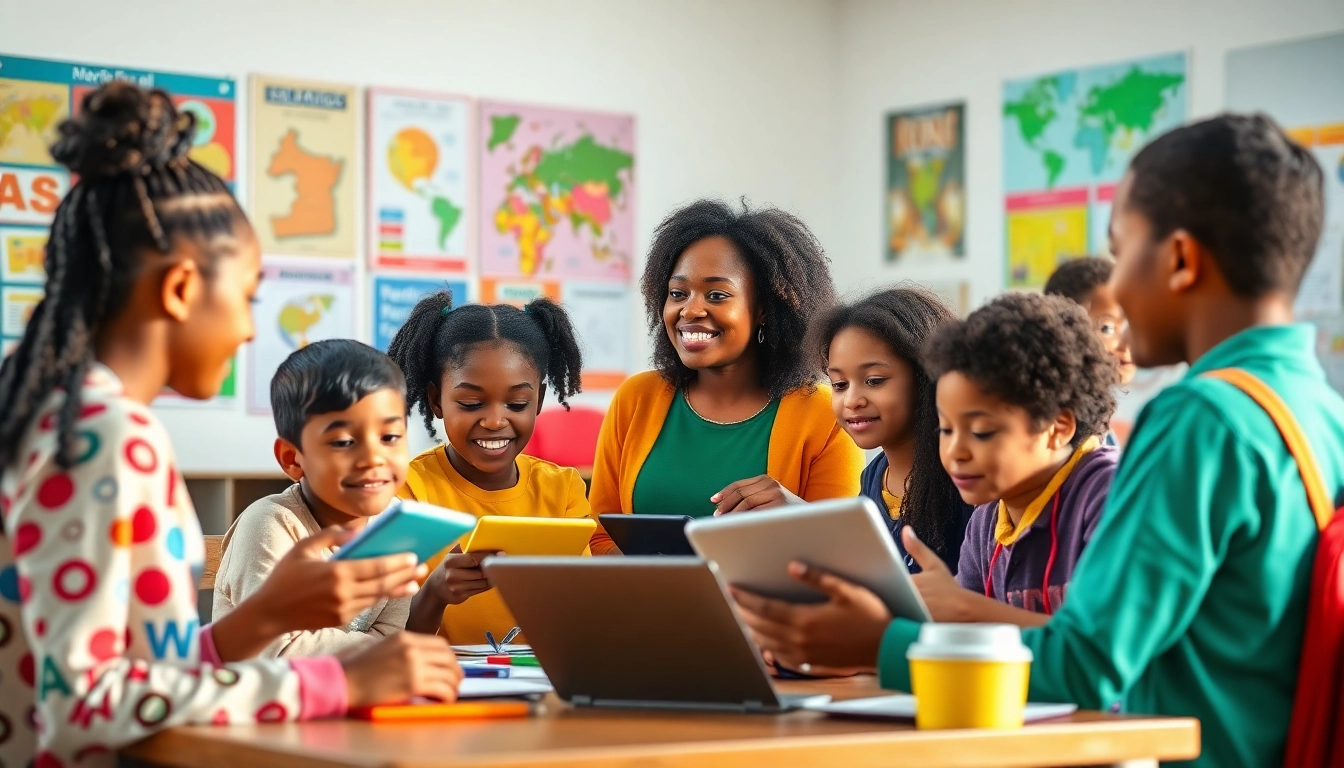
The technological revolution has significantly transformed education, offering new tools and methodologies for effective learning. The use of platforms like Google Classroom, online assessments, and digital resources empowers educators to create more personalized and interactive learning experiences. Furthermore, technology enables students to access a wealth of knowledge beyond the traditional classroom, facilitating self-directed learning and collaboration across borders. However, it is imperative that access to technology is equitable, as disparities in digital access can exacerbate educational inequalities.
Project-Based Learning: A Practical Implementation
Project-based learning (PBL) emphasizes real-world problem solving and student-led inquiry, making it a powerful pedagogical approach for fostering deeper understanding and engagement. By allowing students to work on projects that are relevant to their communities, educators can connect curriculum to lived experiences, enhancing motivation and learning outcomes. Successful implementation of PBL requires thorough training for educators and a supportive school culture that encourages creativity and collaboration.
Case Studies of Successful Educational Innovations
Numerous case studies exemplify the successful application of innovative educational practices. For instance, the Big Picture Learning model emphasizes personalized learning plans tailored to each student’s interests and aspirations, resulting in improved student engagement and outcomes. Similarly, the Reggio Emilia approach promotes student autonomy and hands-on learning in early childhood education, leading to higher order thinking skills and social-emotional development. Analyzing such case studies provides valuable insights for education reformers seeking to implement evidence-based practices.
Challenges in Education: Misconceptions and Obstacles
Despite the progress made in education reform, misconceptions and systemic obstacles can hinder the realization of equitable and effective educational systems. Addressing these challenges requires a comprehensive understanding of the barriers that persist in various contexts.
Addressing Common Myths about Education Reform
There are several myths surrounding education reform that can impede progress. One prevalent misconception is that funding alone can solve the problems within public education. While financial support is essential, it must be accompanied by thoughtful reforms that address pedagogical practices, curriculum design, and community engagement. Additionally, the notion that standardized testing is the best indicator of student success undermines the complex factors that contribute to learning and can perpetuate inequalities.
Overcoming Barriers to Access and Participation
Barriers to access and participation often stem from socio-economic challenges, systemic bias, and inadequate resources. Students from low-income backgrounds may face logistical challenges such as transportation or lack of access to necessary materials and technology. Addressing these barriers requires collaborative efforts among schools, families, and community organizations to create supportive environments conducive to learning. Initiatives like after-school programs, mentorship opportunities, and parental engagement efforts are vital in breaking down these obstacles.
Strategies for Engaging Stakeholders
Successful education reform necessitates the mobilization of stakeholders, including educators, families, policymakers, and community members. Engaging these groups in the reform process can foster collaboration and build a sense of shared ownership over educational outcomes. Hosting community forums, forming advisory panels, and soliciting feedback from parents can empower stakeholders to contribute to shaping policies that impact their local education systems.
Measuring the Impact of Educational Policies
To ensure that educational reforms are effective, it is critical to establish metrics for evaluating their impact. This evaluation process not only informs future practices but also provides accountability to stakeholders invested in educational outcomes.
Key Performance Indicators in Education
Key performance indicators (KPIs) serve as essential tools for measuring the success of educational policies and initiatives. KPIs such as graduation rates, standardized test scores, and student engagement levels can offer insights into the effectiveness of various programs. However, it is important to go beyond quantitative metrics and consider qualitative assessments that capture the broader impact on student well-being and community engagement.
Evaluating Success: Tools and Metrics
Various tools and metrics can be employed to evaluate educational success, including formative assessments, surveys, and qualitative case studies. Utilizing a combination of quantitative and qualitative data enables educators and administrators to gain a nuanced understanding of how reforms are affecting student learning and institutional practices. Regularly collecting and analyzing data can also inform necessary adjustments and improvements to ongoing initiatives.
Feedback Loops: Learning from Implementation
Implementing a feedback loop that prioritizes continuous learning and adaptation is vital for achieving lasting educational reform. By collecting feedback from students, educators, and parents, education systems can identify areas for improvement and capitalize on successful strategies. This iterative process helps foster a culture of collaboration and innovation that enhances educational practices over time.
Future Trends in Education: What to Expect by 2026
As the landscape of education continues to evolve, several trends are poised to shape the future of teaching and learning. Understanding these trends is essential for stakeholders aiming to stay ahead of the curve and adapt to emerging challenges and opportunities.
The Role of Artificial Intelligence in Education
Artificial intelligence (AI) is expected to play a transformative role in education by personalizing learning experiences and automating administrative tasks. AI-driven platforms can analyze student performance data and provide tailored recommendations for interventions. By leveraging AI, educators can focus more on instruction and engagement, while AI handles data processing and routine assessments. However, ethical considerations surrounding data privacy and algorithmic bias must be prioritized to ensure equitable benefits across all student populations.
Shifts in Educational Policy and Funding
Anticipating shifts in educational policy and funding is critical for educational practitioners and advocates. Policymakers are increasingly recognizing the need for equitable funding models that consider the unique needs of diverse student populations. Advocacy efforts focused on increasing resources for underserved communities are likely to gain momentum as awareness of educational disparities grows. Additionally, collaboration between public and private sectors may emerge as a strategy to bolster funding for innovative educational initiatives.
Preparing for a Globalized Learning Environment
As the world becomes more interconnected, preparing students for a globalized learning environment is essential. Education systems must cultivate cross-cultural competencies and critical thinking skills that empower students to navigate complex global challenges. Integrating global perspectives into the curriculum and promoting collaborative learning opportunities across borders can enhance students’ understanding of diverse cultures and global issues.