




Emotional Wellbeing Guide for Managing Stress and Anxiety
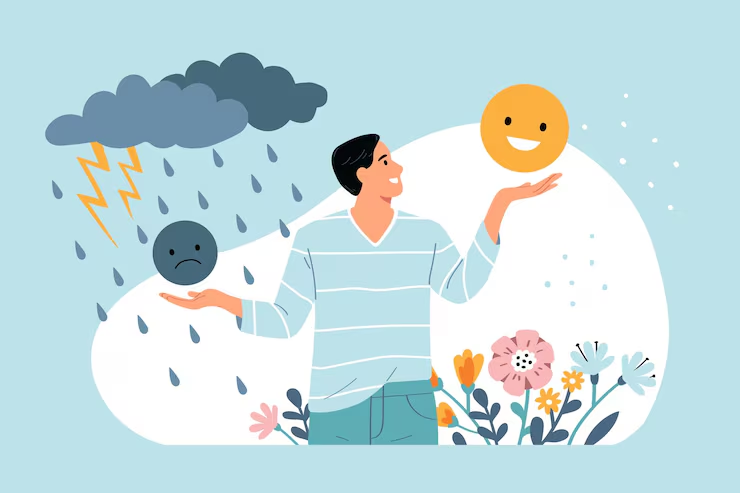
Emotional wellbeing plays a central role in how individuals experience stress and anxiety, interpret challenges, and maintain balance in daily life. In modern environments filled with constant demands, emotional pressure, and uncertainty, stress and anxiety have become common experiences rather than occasional disruptions. Emotional wellbeing provides the internal framework needed to manage these experiences effectively without becoming overwhelmed or emotionally depleted.
At its core, emotional wellbeing refers to the capacity to understand emotions, regulate emotional responses, and recover from emotional strain in a healthy and sustainable way. When emotional wellbeing is nurtured, stress becomes more manageable, anxiety becomes less intrusive, and emotional balance becomes easier to maintain. This guide explores emotional wellbeing from an evidence-based and practical perspective, focusing on habits, skills, and strategies that support calm, clarity, and resilience in the face of stress and anxiety.
Understanding Stress and Anxiety Through Emotional Wellbeing
Stress and anxiety are natural responses designed to protect and motivate. However, when these responses become chronic or disproportionate, they can disrupt emotional balance and mental clarity. Emotional wellbeing helps individuals differentiate between healthy stress responses and patterns that require intentional management.
Stress typically arises from external pressures such as responsibilities, deadlines, or life changes, while anxiety often involves internal anticipation of future threats or uncertainty. Emotional wellbeing allows individuals to recognize these differences and respond appropriately rather than reacting automatically. By strengthening emotional wellbeing, individuals gain greater control over how stress and anxiety influence thoughts, behaviors, and physical health.
The Emotional Impact of Chronic Stress
Chronic stress places sustained pressure on emotional systems, often leading to irritability, emotional exhaustion, and reduced coping capacity. Over time, unmanaged stress can weaken emotional wellbeing by narrowing emotional flexibility and increasing reactivity. Individuals may feel constantly tense, overwhelmed, or emotionally detached.
Emotional wellbeing supports stress management by restoring emotional balance and expanding coping options. When emotional wellbeing is prioritized, the nervous system can return to baseline more efficiently after stress. This recovery capacity is essential for preventing burnout and maintaining long-term mental health.
How Anxiety Affects Emotional Balance
Anxiety often manifests as persistent worry, heightened alertness, or fear-driven thinking. These patterns can disrupt emotional wellbeing by keeping the mind in a constant state of anticipation. Anxiety reduces emotional clarity and increases sensitivity to perceived threats, even when no immediate danger exists.
Strengthening emotional wellbeing helps regulate anxiety by promoting emotional awareness and grounding. When emotions are acknowledged and managed effectively, anxiety loses its intensity and influence. Emotional wellbeing creates a sense of internal safety that counteracts anxious patterns and supports emotional stability.
Emotional Awareness as the Foundation for Managing Stress and Anxiety
Emotional awareness is a foundational skill within emotional wellbeing. Without awareness, stress and anxiety operate unconsciously, often intensifying without clear understanding. Emotional awareness involves recognizing emotional states, identifying triggers, and understanding how emotions influence thoughts and behaviors.
Developing emotional awareness allows individuals to respond to stress and anxiety intentionally rather than reactively. This awareness creates space for choice, enabling healthier emotional responses and reducing automatic stress reactions.
Recognizing Early Emotional Signals
Stress and anxiety often present subtle early signals before escalating. These signals may include muscle tension, changes in breathing, irritability, or difficulty concentrating. Emotional wellbeing is strengthened when individuals learn to recognize these early indicators.
By identifying emotional signals early, individuals can intervene before stress or anxiety intensifies. This proactive approach supports emotional balance and prevents emotional overload. Emotional awareness transforms stress management from crisis response to ongoing self-regulation.
Differentiating Between Stress and Anxiety
Although stress and anxiety are closely related, distinguishing between them enhances emotional wellbeing. Stress is often linked to specific external demands, while anxiety tends to persist even in the absence of immediate stressors. Emotional awareness helps clarify which emotional state is present.
This differentiation allows for more effective coping strategies. Stress may require boundary-setting or problem-solving, while anxiety may benefit from grounding and reassurance. Emotional wellbeing improves when emotional responses are tailored to the specific emotional experience.
Emotional Regulation Strategies for Stress Reduction
Emotional regulation refers to the ability to manage emotional responses in a balanced and adaptive way. Emotional wellbeing relies heavily on regulation skills, particularly when managing stress and anxiety. Regulation does not involve suppressing emotions but guiding them constructively.
Effective emotional regulation reduces emotional intensity, shortens recovery time, and supports mental clarity. These benefits make emotional regulation a critical component of stress and anxiety management.
Breathing Techniques for Nervous System Balance
Breathing techniques are among the most accessible emotional wellbeing tools for regulating stress and anxiety. Slow, controlled breathing activates the parasympathetic nervous system, which counteracts the body’s stress response.
Practicing intentional breathing during moments of stress helps restore emotional balance and reduce physiological arousal. Over time, regular breathing practices condition the body to respond more calmly to stressors, strengthening overall emotional wellbeing.
Creating Emotional Pauses
One powerful emotional wellbeing strategy is learning to pause before reacting to stress or anxiety. Emotional pauses allow the brain’s rational centers to engage, reducing impulsive or fear-driven responses.
This habit creates emotional distance between trigger and response, supporting more thoughtful decision-making. With practice, emotional pauses become automatic, enhancing emotional stability and reducing the impact of stress and anxiety.
Cognitive Patterns and Emotional Wellbeing
Thought patterns significantly influence emotional wellbeing, particularly in the context of stress and anxiety. Anxious thinking often involves catastrophizing, overgeneralization, or excessive self-criticism. These patterns amplify emotional distress and undermine emotional balance.
Addressing cognitive patterns is essential for improving emotional wellbeing. By developing awareness of thoughts and reframing unhelpful narratives, individuals can reduce emotional intensity and improve resilience.
Reframing Stressful Situations
Cognitive reframing involves viewing stressful situations from a balanced and realistic perspective. Rather than denying difficulties, reframing focuses on identifying manageable aspects and alternative interpretations.
This emotional wellbeing practice reduces feelings of helplessness and restores a sense of control. Reframing supports emotional balance by shifting focus from threat to capability, helping individuals navigate stress with greater confidence.
Managing Anxious Thought Loops
Anxious thought loops keep the mind stuck in repetitive worry. Emotional wellbeing improves when individuals learn to interrupt these loops through grounding techniques or intentional redirection of attention.
Recognizing anxious thought patterns as mental events rather than facts reduces their emotional impact. This shift strengthens emotional wellbeing by promoting mental flexibility and reducing prolonged anxiety.

Building Emotional Resilience Against Stress and Anxiety
Resilience refers to the ability to recover from emotional challenges and adapt to stress. Emotional wellbeing habits play a central role in building resilience by strengthening emotional regulation, self-trust, and coping capacity.
Emotionally resilient individuals experience stress and anxiety without becoming emotionally overwhelmed. They recover more quickly and maintain emotional balance even during prolonged challenges.
Developing Emotional Flexibility
Emotional flexibility involves adapting emotional responses to changing circumstances. Rather than rigidly resisting emotions, emotionally flexible individuals allow emotions to arise and pass naturally.
This flexibility supports emotional wellbeing by reducing internal conflict. When emotions are allowed without judgment, they move through the system more efficiently, preventing emotional stagnation and buildup.
Strengthening Recovery After Stress
Recovery is a critical yet often overlooked aspect of emotional wellbeing. After periods of stress or anxiety, the emotional system requires intentional restoration. Recovery practices may include rest, reflection, or calming activities.
Prioritizing recovery strengthens emotional resilience by preventing cumulative emotional strain. Emotional wellbeing improves when recovery is treated as a necessary component of stress management rather than an optional luxury.
Emotional Wellbeing and Lifestyle Factors
Lifestyle choices significantly influence emotional wellbeing and stress levels. Sleep, movement, and daily routines shape emotional regulation and stress tolerance. Emotional wellbeing is supported when lifestyle factors align with emotional needs.
Rather than focusing on perfection, emotional wellbeing benefits from consistent, supportive lifestyle habits. These habits create a stable foundation that buffers against stress and anxiety.
The Role of Rest in Emotional Regulation
Adequate rest is essential for emotional wellbeing because emotional regulation relies on cognitive and physiological resources. Sleep deprivation increases emotional reactivity and reduces stress tolerance.
Prioritizing rest supports emotional balance by restoring emotional capacity. When rest is consistent, individuals experience improved emotional clarity and reduced vulnerability to anxiety.
Movement and Emotional Release
Physical movement supports emotional wellbeing by releasing stored tension and regulating stress hormones. Movement does not need to be intense to be effective; consistent, gentle activity can significantly reduce anxiety.
Incorporating movement into daily routines strengthens emotional wellbeing by providing a natural outlet for stress. Over time, movement becomes a reliable tool for emotional regulation and mental balance.
Emotional Wellbeing in Daily Stressful Environments
Daily environments such as work, family life, and social settings often contribute to stress and anxiety. Emotional wellbeing helps individuals navigate these environments without absorbing excessive emotional strain.
Developing emotional boundaries and communication skills supports emotional balance in demanding settings. Emotional wellbeing enables individuals to engage fully without becoming emotionally overwhelmed.
Managing Emotional Overload
Emotional overload occurs when demands exceed emotional capacity. Emotional wellbeing habits help prevent overload by promoting awareness of emotional limits and encouraging proactive self-care.
Recognizing signs of overload allows for timely adjustments. Emotional wellbeing improves when individuals respond to emotional fatigue with compassion rather than self-criticism.
Maintaining Emotional Balance Under Pressure
High-pressure situations test emotional regulation skills. Emotional wellbeing supports balance under pressure by strengthening grounding and focus.
With consistent practice, emotionally balanced responses become more accessible even during intense situations. This stability reduces anxiety and supports effective performance.
Self-Compassion as a Tool for Anxiety Management
Self-compassion is a vital element of emotional wellbeing, particularly when managing stress and anxiety. It involves responding to emotional difficulty with kindness rather than judgment.
Self-compassion reduces secondary emotional distress caused by self-criticism. By creating an internal sense of safety, self-compassion supports emotional regulation and resilience.
Reducing Self-Critical Responses
Self-criticism intensifies stress and anxiety by increasing emotional pressure. Emotional wellbeing improves when self-critical thoughts are replaced with supportive internal dialogue.
Practicing self-compassion helps individuals acknowledge challenges without harsh judgment. This approach fosters emotional balance and reduces anxiety-driven self-doubt.
Accepting Emotional Vulnerability
Emotional vulnerability is an inherent part of the human experience. Accepting vulnerability strengthens emotional wellbeing by reducing resistance to emotions.
When vulnerability is accepted, emotions flow more naturally and resolve more efficiently. This acceptance supports emotional resilience and reduces chronic anxiety.
Long-Term Benefits of Emotional Wellbeing for Stress and Anxiety
The long-term benefits of emotional wellbeing extend beyond immediate stress relief. Consistent emotional wellbeing practices reshape emotional responses and improve overall quality of life.
Over time, emotional wellbeing enhances emotional intelligence, strengthens relationships, and supports sustained mental health. Stress and anxiety become manageable experiences rather than dominating forces.
Emotional Wellbeing as Preventive Mental Health Care
Emotional wellbeing serves as preventive mental health care by reducing the likelihood of chronic stress and anxiety disorders. Early emotional regulation prevents emotional patterns from becoming entrenched.
By maintaining emotional wellbeing, individuals build a protective buffer against future emotional challenges. This preventive approach supports long-term mental stability and balance.
Sustaining Emotional Balance Over Time
Sustaining emotional balance requires ongoing attention and adaptation. Emotional wellbeing habits evolve with changing life circumstances.
When emotional wellbeing is viewed as a lifelong practice, individuals remain equipped to manage stress and anxiety at every stage of life. This adaptability highlights the enduring value of emotional wellbeing.
Conclusion
Emotional wellbeing is a powerful guide for managing stress and anxiety in a balanced, sustainable way. By developing emotional awareness, strengthening regulation skills, building resilience, and practicing self-compassion, individuals can reduce emotional distress and maintain inner stability. Emotional wellbeing does not eliminate stress or anxiety but transforms how they are experienced and managed. Through consistent, evidence-based habits, emotional wellbeing becomes a reliable foundation for mental clarity, emotional balance, and long-term psychological health. Tap into deeper knowledge by returning to our core platform homepage.
FAQs
How does emotional wellbeing help reduce anxiety?
Emotional wellbeing helps reduce anxiety by improving emotional awareness, regulation, and recovery. When emotions are understood and managed effectively, anxious responses become less intense and more controllable, allowing individuals to feel calmer and more balanced.
Can emotional wellbeing prevent stress from becoming overwhelming?
Emotional wellbeing cannot remove stress entirely, but it significantly reduces the risk of stress becoming overwhelming. By strengthening coping skills and emotional resilience, emotional wellbeing supports faster recovery and better stress management.
Is emotional wellbeing something that can be developed at any age?
Emotional wellbeing can be developed at any age. Emotional skills are learnable and adaptable throughout life, and consistent practice can improve emotional balance, resilience, and stress management regardless of age or life stage.