
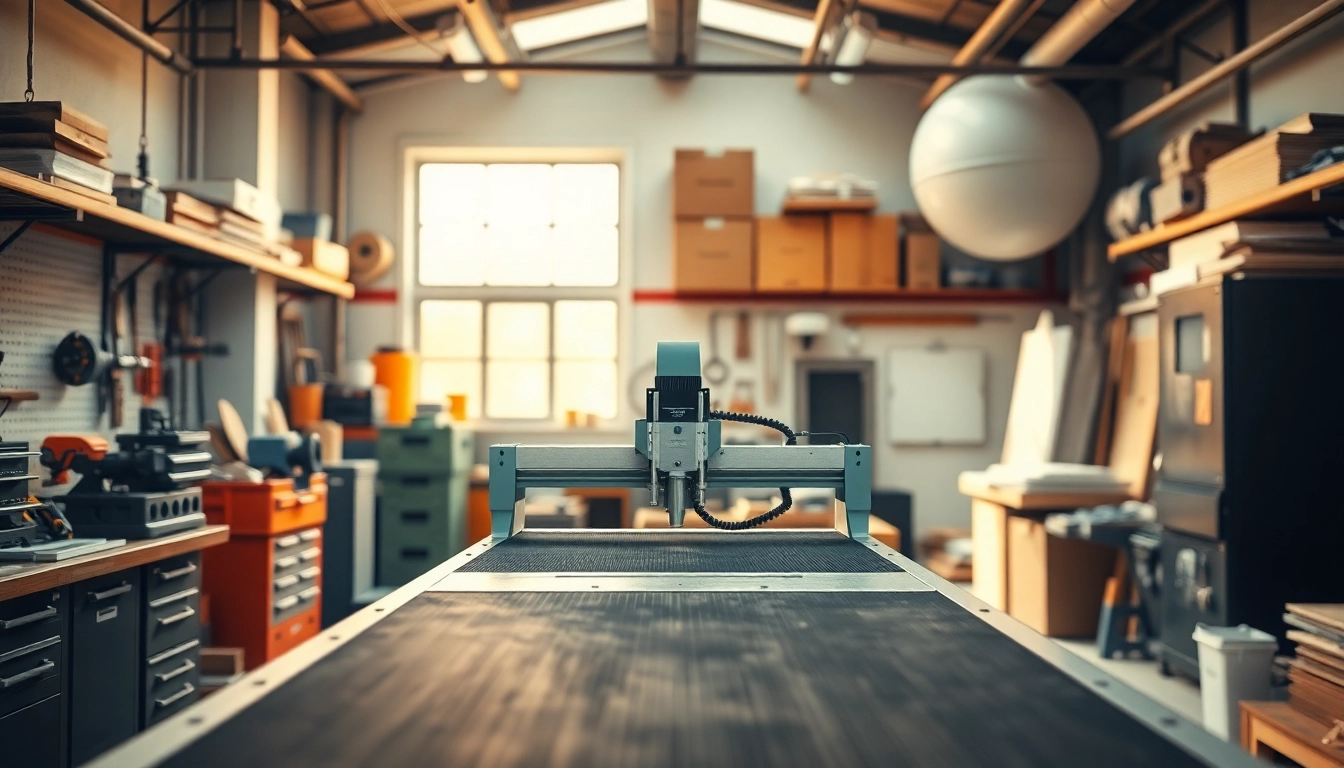
Mastering Cutting Equipment: Essential Types, Uses, and Best Practices
1. Understanding Cutting Equipment Basics
1.1 What is Cutting Equipment?
Cutting equipment refers to a broad range of tools and machines designed to precisely cut, slice, or shape various materials. These tools are essential in numerous industries, from manufacturing and construction to arts and crafts. Whether it’s a simple hand tool or a complex machine, the primary function remains the same: to efficiently and accurately sever materials.
1.2 Types of Cutting Equipment Overview
Cutting equipment can be categorized into several types based on their application and mode of operation. Common categories include:
- Hand Tools: These are manually operated devices like scissors, knives, and shears, ideal for small jobs.
- Power Tools: Electric or pneumatic tools such as saws, grinders, and routers, used for more extensive cutting tasks.
- Industrial Machines: Automated cutting solutions like laser cutters and CNC machines that offer high precision for mass production.
- Specialty Equipment: Tools designed for specific materials or industries, like water jet cutters for fabrics and ceramics.
1.3 Key Features to Consider
When selecting cutting equipment, it’s vital to consider several key features. Ensure to evaluate:
- Cutting Precision: Look for tools that provide accurate cuts to minimize waste.
- Material Compatibility: Different tools work better with specific materials; verify compatibility.
- Ease of Use: Ergonomics and user-friendliness are essential, especially for extensive projects.
- Power Source: Assess whether manual or powered equipment is best suited for your needs.
- Safety Features: Integrated safety measures such as guards and automatic shut-off mechanisms are crucial.
2. Applications of Cutting Equipment in Various Industries
2.1 Manufacturing and Fabrication
In the manufacturing sector, cutting equipment is pivotal. Industries utilize various types of saws, laser cutters, and plasma cutters to fabricate products from metals, plastics, and composites. Precision cutting is essential for assembling components that fit together accurately. Additionally, automated systems can handle large volumes, increasing productivity while maintaining high standards in quality.
2.2 Construction and Demolition
The construction industry relies heavily on cutting equipment for both structural and aesthetic purposes. From shears and concrete saws used during building to demolition hammers that help in teardown, the right tools ensure efficiency and safety. For instance, reciprocating saws are invaluable during renovation tasks, enabling quicker and safer dismantling of structures without causing significant damage to surrounding areas.
2.3 Arts and Crafts Uses
In the realm of arts and crafts, cutting equipment varies widely—from simple scissors for fabric cutting to advanced laser cutters used by artists and designers for intricate designs. This equipment allows creators to produce detailed work quickly and accurately, fostering creativity and innovation. Crafting tools, like rotary cutters, provide versatility to hobbyists who work with various materials for personal projects or small business endeavors.
3. Choosing the Right Cutting Equipment for Your Needs
3.1 Assessing Project Requirements
Before investing in cutting equipment, assess the specific requirements of your project. Consider the materials you’ll work with, the complexity of cuts needed, and the volume of work. Smaller projects may only require basic tools, while larger or more intricate tasks might demand advanced machinery that offers precision and speed.
3.2 Budgeting for Cutting Equipment
Your budget plays a significant role in the types of cutting equipment you can acquire. While high-end machines offer impressive features and durability, there are several cost-effective options that do not sacrifice quality. Evaluate the total cost of ownership, including maintenance and consumables, to make an informed decision.
3.3 Comparing Brands and Models
Once you have defined your project requirements and budget, research various brands and models. Look for reviews and comparisons that highlight performance metrics, durability, and service support. Choosing a reputable brand often ensures reliability and long-term functionality, which is essential for ongoing projects.
4. Best Practices for Operating Cutting Equipment Safely
4.1 Comprehensive Safety Guidelines
Operating cutting equipment safely is paramount to avoid accidents. Always wear appropriate personal protective equipment (PPE) such as gloves, goggles, and ear protection, depending on the tool in use. Ensure that the work area is clean and free of hazards, and always follow the manufacturer’s safety protocols.
4.2 Maintenance Tips for Longevity
Regular maintenance of cutting equipment not only prolongs its life but also enhances performance. Key practices include cleaning the equipment after use, checking for wear and tear, and promptly replacing worn parts. Additionally, follow the manufacturer’s guidelines for specific maintenance procedures and schedules.
4.3 Training and Skill Development
Proper training in the use of cutting equipment is crucial for safety and effectiveness. Ensure that all operators understand how to use the equipment correctly and are trained in safety practices. Continuous skill development through workshops or online resources can also enhance efficiency and productivity.
5. FAQs on Cutting Equipment
5.1 What types of cutting equipment are most efficient?
Efficiency varies by task, but CNC machines and laser cutters are often considered highly efficient for precision tasks and mass production, offering speed and accuracy.
5.2 How do I maintain my cutting equipment?
Regularly clean your equipment, inspect for wear, lubricate moving parts as needed, and follow the manufacturer’s maintenance schedule for best results.
5.3 Can I use cutting equipment for various materials?
Yes, many cutting tools are versatile and can handle different materials, but always consult the specifications to ensure compatibility to prevent damage.
5.4 How do I ensure safety while using cutting equipment?
Always wear PPE, maintain a clean workspace, and follow the manufacturer’s safety guidelines. Proper training for all users is also essential.
5.5 What is the best cutting equipment for beginners?
Beginners may find manual hand tools, such as utility knives and scissors, easier to start with before transitioning to more advanced power tools.