
Understanding Drayage: The Key to Efficient Freight Transportation
1. What is Drayage?
1.1 Definition and Purpose of Drayage
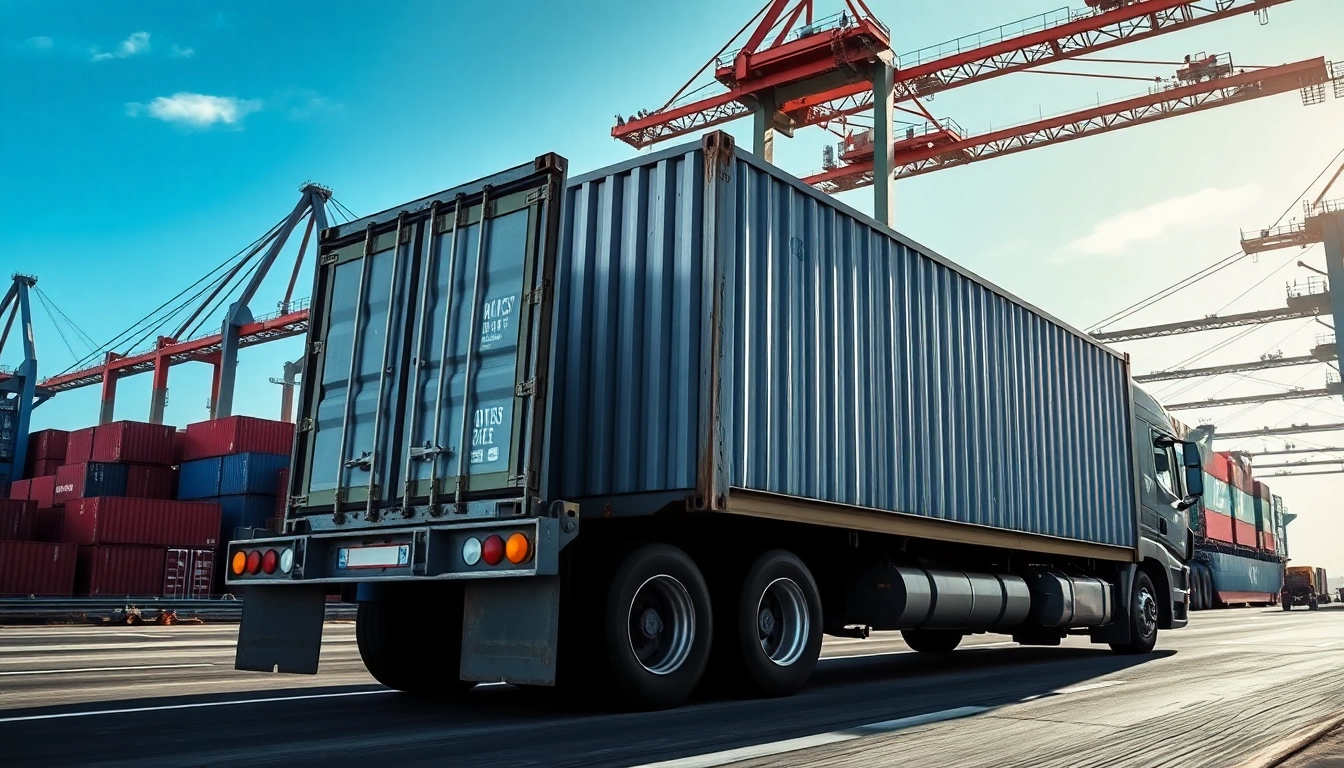
Drayage refers to the transportation of shipping containers over short distances, typically by truck, often from ports or intermodal hubs to their final destinations. The term is derived from the word “dray,” which is a type of vehicle used for hauling goods. Drayage operations are essential for seamless logistics as they bridge the gap between long-distance transport methods like ocean and rail freight and the ultimate delivery of goods to warehouses or retail facilities.
1.2 Importance in Supply Chain Management
Drayage is a crucial component of supply chain management, facilitating the movement of goods across various transportation modes. Its significance lies in enabling timely deliveries and optimizing inventory management. Efficient drayage services contribute to minimizing delivery delays, enhancing customer satisfaction, and reducing operational costs. In today’s global economy, where goods are often sourced from multiple regions, the role of drayage becomes increasingly critical.
1.3 Common Types of Drayage Services
Drayage services can be categorized into several types, each serving different logistical needs:
- Port Drayage: Transportation between a harbor and nearby locations.
- Intermodal Drayage: Connects multiple transport modes, such as shipping containers between ports and rail facilities.
- Local Drayage: Short-distance freight services within metropolitan areas.
- Agency Drayage: Services that facilitate cargo movements for freight forwarders or shipping agents.
2. The Drayage Process
2.1 Steps Involved in Drayage Operations
The drayage process is a series of coordinated steps designed to ensure efficiency and accuracy:
- Container Pickup: Tractors are dispatched to the port or intermodal terminal to pick up the container.
- Route Planning: Optimal routes are determined, factoring in distance, traffic, and delivery timelines.
- Transport: The container is transported to the delivery location, ensuring safety and compliance with regulations.
- Delivery: The container is dropped off, and any necessary documentation is exchanged to confirm the delivery.
2.2 Key Stakeholders in Drayage Transportation
Drayage involves various stakeholders, each playing a vital role in the transportation chain:
- Shippers: Companies that need to move goods and engage drayage services.
- Carriers: Trucking companies that provide drayage services.
- Freight Forwarders: Intermediaries who arrange transportation on behalf of shippers.
- Ports and Terminals: Facilities that handle cargo and provide drayage services directly.
2.3 Drayage versus Traditional Freight Transportation
Drayage differs from traditional freight transportation primarily in distance and service scope. While traditional freight can involve long-haul trucking across states or countries, drayage focuses on short-distance movements. This distinction also impacts cost structures, operational procedures, and types of vehicles used; short-haul trucks are typically employed in drayage operations, whereas traditional freight may utilize larger, long-haul trucks.
3. Factors Affecting Drayage Costs
3.1 Distance and Route Considerations
The distance between pickup and drop-off locations significantly influences drayage costs. Key considerations include:
- Fuel efficiency depending on the length of the route
- Traffic patterns, which can lead to delays and increased costs
- Local infrastructure, including road conditions and tolls
3.2 Fuel Prices and Equipment Maintenance
Fuel prices play a pivotal role in determining drayage rates. Variations in fuel prices can lead to fluctuating operational costs, and companies often need to maintain their equipment to ensure efficiency and compliance with environmental regulations. Regular maintenance can help avoid breakdowns, further impacting delivery timelines and costs.
3.3 Regulatory Charges and Tariffs
Drayage costs can also be influenced by various regulatory charges, such as:
- Port fees, which can vary by location and service
- Environmental regulations that may impose additional costs
- Local or state tariffs that affect operations
4. Optimizing Drayage Operations
4.1 Best Practices for Efficient Drayage
To optimize drayage operations, companies should adhere to best practices, such as:
- Implementing route optimization software to minimize delays
- Establishing strong communication channels among stakeholders
- Regularly reviewing performance metrics and adjusting contracts with carriers accordingly
4.2 Leveraging Technology in Drayage Management
Utilizing technology can enhance drayage management significantly. Tools like GPS tracking and logistics management software can facilitate real-time monitoring of shipments, predicting arrival times more accurately and enabling proactive problem-solving. Technology can also help in automating documentation, reducing processing time and minimizing errors.
4.3 Case Studies of Successful Drayage Strategies
Companies like Drayage have implemented successful strategies that reflect innovative drayage operations. By investing in advanced logistics technology and practicing efficient capacity planning, they have reduced delivery times and improved service quality, demonstrating the impact of strategic planning in drayage management.
5. The Future of Drayage
5.1 Trends Impacting the Drayage Industry
As e-commerce continues to rise, so does the demand for efficient last-mile delivery. The industry is observing trends such as increased automation, the incorporation of electric vehicles to reduce environmental impact, and the use of data analytics for enhanced decision-making processes in drayage services.
5.2 Challenges Facing Drayage Providers
Drayage providers encounter various challenges, including:
- Increased competition leading to pricing pressures
- Capacity shortages due to fluctuating market demands
- Regulatory hurdles that vary significantly by region and can affect operations
5.3 Sustainable Practices in Drayage Operations
Adopting sustainable practices has become increasingly important in drayage operations. This includes using fuel-efficient vehicles, optimizing routes to reduce emissions, and implementing recycling programs at logistics hubs. Sustainability is not only beneficial for the environment but can also enhance a company’s reputation and compliance with regulatory demands.