
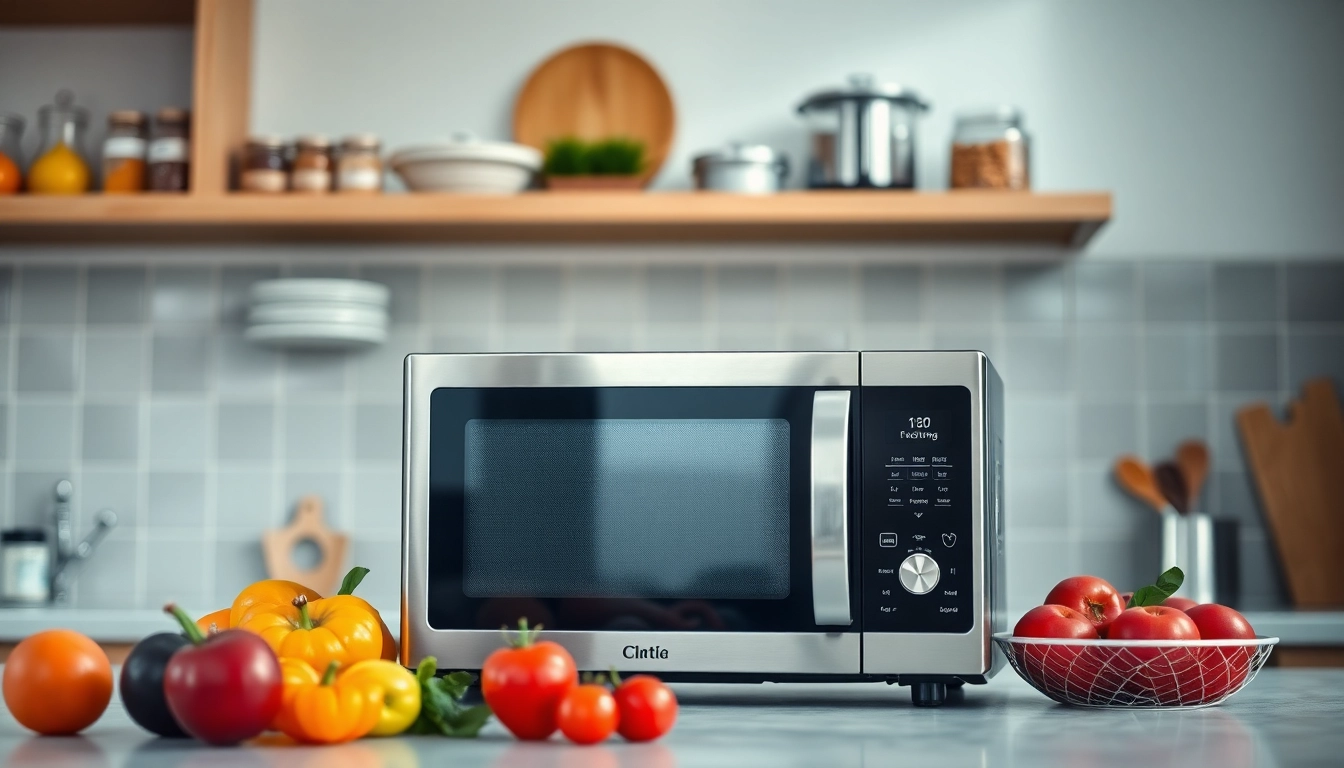
Choosing the Right Microwave Oven for Your Kitchen Needs
Understanding Microwave Oven Types
Choosing the right microwave oven can greatly enhance your cooking experience, making meal preparation quicker and more efficient. Different types of microwave ovens cater to various kitchen needs and space constraints. Below, we will explore the primary types of microwave ovens available: countertop, over-the-range, and built-in models.
Countertop Microwave Oven Options
Countertop microwave ovens are the most popular choice for many households, known for their versatility and easy installation. These models are typically compact, requiring only a flat surface for placement. They offer a variety of sizes and power levels, making them suitable for heating leftovers, cooking instant meals, or even defrosting frozen food.
One of the primary benefits of countertop models is their portability. They can easily be moved if a kitchen layout changes or if you need to create space for other appliances. Moreover, many countertop microwaves feature advanced functions such as sensor cooking, which can adjust cooking times based on moisture levels in the food.
Over-the-Range Microwave Oven Benefits
Over-the-range microwave ovens serve a dual purpose: they not only heat food but also provide additional ventilation for your cooking space. This type is installed above the stove, saving valuable counter space. Most models feature a built-in fan that expels smoke, steam, and odors, ensuring a fresher kitchen environment.
Moreover, over-the-range microwaves often come with feature-rich options, such as pre-programmed cooking settings, which can simplify meal preparation. Their design allows for seamless integration into your kitchen’s decor, providing a modern feel while maximizing the use of vertical space.
Built-In Microwave Oven Features
Built-in microwave ovens are designed to be a permanent installation, seamlessly integrated into cabinetry or walls. This type of microwave oven is perfect for those seeking a polished, high-end look in their kitchen. Built-in models often come with larger capacities than countertop options, making them ideal for larger families or for those who frequently entertain guests.
These microwaves typically boast advanced cooking technologies, including convection functions that allow for even browning and cooking—essentially combining microwave energy with traditional oven cooking methods. This versatility can significantly expand your cooking repertoire, enabling you to bake, roast, and cook dishes that require more than simple reheating.
Key Features to Consider
When selecting a microwave oven, several key features should be considered to ensure it meets your cooking needs and kitchen specifications.
Wattage and Cooking Power of Microwave Oven
The wattage of a microwave oven directly influences its cooking power. Generally, microwaves range from 600 to 1200 watts. A higher wattage typically leads to faster cooking and reheating. Microwaves around 800 watts can adequately cook and reheat food, while those above 1000 watts offer superior performance for various cooking tasks.
Choosing an appropriate wattage for your microwave oven is crucial; if you regularly prepare large meals or family-sized casseroles, consider opting for a model with at least 1000 watts. This ensures even cooking and reduces overall meal prep time, which can be a significant advantage in busy households.
Available Cooking Settings and Presets
Modern microwave ovens come equipped with multiple cooking settings and presets designed to simplify meal preparation. Look for features like auto defrost, popcorn settings, and sensor cooking, which adjusts cooking time based on the food’s moisture level. These presets take the guesswork out of cooking, ensuring that dishes are perfectly cooked without the need for constant monitoring.
Additionally, some microwaves offer innovative features such as steam cooking, grill functions, or even convection cooking capabilities. These options can significantly enhance the versatility of your microwave oven, allowing you to venture beyond reheating and into more complex meal preparation.
Size and Capacity of Microwave Oven
When choosing a microwave oven, size and capacity are essential aspects to consider. The available space in your kitchen can dictate which type of microwave you choose. For countertop models, measure your available counter space to ensure a proper fit. Built-in and over-the-range options require specific installation measurements to ensure they fit seamlessly into your kitchen layout.
The internal capacity of the microwave, typically measured in cubic feet, will also play a role in your decision. A standard capacity ranges from 0.5 to 2.0 cubic feet, with larger models being advantageous for cooking bigger dishes. Keep in mind the frequency and volume of cooking you do most days when selecting the appropriate size.
Microwave Oven Safety Guidelines
While microwave ovens are convenient kitchen appliances, understanding their safety features and proper usage is essential. This section provides guidelines to ensure a safe cooking experience.
Child Safety Features in Microwave Ovens
Many modern microwave ovens offer child safety features to prevent accidental usage. Safety lock functions disable the control panel, making it impossible for young children to operate the microwave. This is particularly beneficial for families with small children who may be curious about appliances. Other safety measures include automatic shut-off features that turn off the microwave after a period of inactivity.
Proper Use and Maintenance Tips
To ensure the longevity and proper functionality of your microwave oven, adopt regular maintenance practices. Always clean spills immediately to prevent build-up, and use microwave-safe containers to avoid melting or hazardous reactions with the microwave. Regularly check for any signs of wear on the door seals and replace them promptly to maintain safety and efficiency.
Ensure that the interior is cleaned frequently using mild detergent and a soft cloth to prevent the buildup of odors and grease. By maintaining your microwave, you can prolong its lifespan and ensure that it operates optimally.
Emergency Shutdown Procedures for Microwave Ovens
Knowing how to properly shut down a microwave oven in case of emergency is crucial. In cases of malfunction, first, unplug the appliance from the electrical outlet. If an electrical or fire hazard is observed, contact emergency services immediately. It’s also wise to familiarize yourself with the microwave’s manual for specific emergency procedures outlined by the manufacturer.
Microwave Oven Recipes and Tips
Microwave ovens aren’t just for reheating leftovers; they can be used to create an array of delicious meals. This section includes tips and recipes that leverage the power of your microwave.
Quick Meals in the Microwave Oven
One of the biggest advantages of using a microwave is the speed at which you can prepare meals. Quick meals like scrambled eggs, oatmeal, and vegetable steam bags can be prepared in minutes. Simple recipes, like a microwave mug cake, also offer a delightful dessert in under 10 minutes. For more substantial meals, layering ingredients in a microwave-safe dish can yield hearty meals, such as casseroles or steam-cooked seafood and vegetables.
Creative Uses Beyond Heating
Get creative beyond traditional uses for your microwave. You can use it to toast nuts, dry herbs, or even make homemade potato chips. By adjusting cooking times, you can achieve desirable textures that add a unique twist to your dishes. For example, you can soften butter quickly if forgotten to be set out before baking.
How to Reheat Without Compromising Quality
Reheating food without sacrificing texture and flavor can be a challenge. One effective technique is to add a cup of water in the microwave while reheating items like pizza or fried foods. This provides steam, helping to maintain moisture in the reheated dish. Always cover your food with a microwave-safe lid or wrap to keep it from drying out while ensuring that steam escapes safely.
FAQs About Microwave Oven
What is the best wattage for a microwave oven?
For general use, 700 to 1000 watts is recommended for efficient cooking and reheating, making it versatile for various culinary tasks.
How do I clean my microwave oven safely?
Mix equal parts water and vinegar in a microwave-safe bowl, heat for 5 minutes, and then wipe down the interior with a cloth for a safe clean.
Can a microwave oven help with baking?
Yes, some microwaves feature convection cooking capabilities, allowing you to bake cakes and muffins, effectively expanding your culinary options.
Are microwave ovens energy-efficient?
Microwave ovens typically use less energy than traditional ovens, making them a cost-effective and environmentally friendly cooking option.
Can I use metal containers in a microwave oven?
Generally, avoid metal containers in microwaves. Instead, opt for microwave-safe glass or plastic to prevent dangerous sparking or damage.