



Understanding Bathtub Sliding Doors
What are Bathtub Sliding Doors?
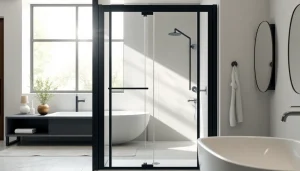
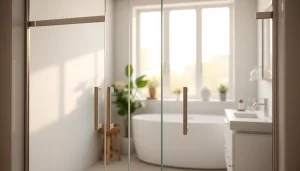
Bathtub sliding doors are a modern solution for enclosing bathtubs, allowing for a sleek, space-efficient design. Unlike traditional shower curtains, these doors slide open and closed, providing a seamless experience for users. Typically constructed from glass and metal, they can be framed or frameless depending on the desired aesthetic. Their design not only enhances the look of a bathroom but also helps to contain water, reducing bathroom flooding and increasing safety.
Key Benefits of Bathtub Sliding Doors
Choosing bathtub sliding doors over traditional curtains or hinged doors brings several advantages:
- Space Efficiency: Since sliding doors do not swing open, they save space in smaller bathrooms.
- Modern Aesthetic: They provide a sleek, contemporary look that can elevate the overall décor of your bathroom.
- Easy to Clean: Sliding doors typically consist of glass that is simple to wipe down, preventing mold and grime buildup.
- Durability: High-quality sliding doors are made of tempered glass and robust metals, offering long-term use when maintained properly.
- Water Containment: They help in preventing water from splashing onto bathroom floors, reducing the risk of slips and falls.
Popular Styles and Designs
Bathtub sliding doors come in various styles, allowing homeowners to choose options that best fit their tastes and existing bathroom settings. Some popular styles include:
- Frameless Sliding Doors: These doors provide a seamless look with no visible metal framing, maximizing the light and space in the bathroom.
- Fully Framed Sliding Doors: These offer more support and can be more water-resistant, often seen in traditional bathroom designs.
- Bypass Doors: Designed to slide past each other, these are ideal for smaller bathrooms as they require minimal space.
- Curved Sliding Doors: These bring a unique touch and can be ideal for corner bathtubs, providing a view of the entire bathing area.
Installation Process of Bathtub Sliding Doors
Tools Required for Installation
Installing bathtub sliding doors can be a straightforward task with the right tools. Essential tools include:
- Drill
- Screwdriver (flat and Phillips)
- Measuring tape
- Level
- Pencil for marking
Step-by-Step Installation Guide
Follow these steps to install your bathtub sliding doors effectively:
- Measure Your Space: Take accurate measurements of the bathtub area to ensure correct door size.
- Prepare the Track: Mark where the top and bottom tracks will be installed, ensuring they are level.
- Install the Track: Secure the bottom and top tracks using screws, ensuring they are straight and level.
- Hang the Doors: Place the rollers on top of the doors and slide them into the top track.
- Install Bottom Guide: Ensure the doors close properly by securing the bottom guide in place.
- Test the Doors: Slide the doors back and forth to check for smooth operation.
Common Installation Mistakes to Avoid
To ensure a successful installation, avoid common pitfalls such as…
- Incorrect Measurements: Double-check measurements before cutting or drilling.
- Improper Leveling: Ensure both tracks are level for smooth door operation.
- Neglecting Water Seals: Ensure seals are installed properly to prevent water leakage.
Maintenance Tips for Bathtub Sliding Doors
Regular Cleaning Techniques
To maintain the pristine condition of your bathtub sliding doors, regular cleaning is essential. Use a non-abrasive cleaner or a mixture of vinegar and water to remove soap scum and hard water stains. Wipe down the glass and metal tracks frequently to ensure optimal functioning.
Troubleshooting Common Issues
If you notice issues such as doors sticking or not closing properly, inspect the tracks for debris or buildup. Clean the rollers and check if the alignment is correct. Often, a simple cleaning can resolve these issues.
When to Seek Professional Help
If problems persist after troubleshooting, or if you’re unsure about making repairs, it may be time to consult a professional. Especially with complex issues like structural adjustments or replacing broken glass.
Cost Considerations for Bathtub Sliding Doors
Budgeting for Your Purchase
Prices for bathtub sliding doors can vary significantly based on materials, design, and brand. Expect to budget between $200 to $1,500 depending on the quality and features. Additional costs may arise from installation services if you opt for professional help.
Long-Term Value of Sliding Doors
While the initial expenditure may seem high, the long-term benefits of bathtub sliding doors outweigh the costs. Their durability and ease of maintenance can provide a considerable return on investment, especially when enhancing your bathroom’s aesthetic appeal and functionality.
FAQs About Costs and Installation
Here are some frequently asked questions regarding costs and installation:
- How much do bathtub sliding doors typically cost? Prices usually range from $200 to $1,500, depending on materials and quality.
- Is professional installation necessary? While DIY is possible, professional installation ensures correct fitting and functionality.
- How do I measure for doors? Measure the width and height of the bathtub, considering the area for door movement.
- Can I use these doors with any bathtub? Most designs work with standard bathtubs, but specific measurements ensure a proper fit.
- Do sliding doors require much maintenance? Routine cleaning is needed, but overall maintenance is relatively low.
Choosing the Right Bathtub Sliding Doors for Your Needs
Factors to Consider Before Buying
Before purchasing, consider your space, style preference, ease of installation, and budget. It’s essential to evaluate how the design complements your existing bathroom decor.
Comparing Different Brands and Models
Research various brands and models, focusing on reviews and specifications. Check product warranty and customer support to ensure satisfaction post-purchase.
Customer Testimonials and Reviews
Reading customer reviews can provide insightful firsthand knowledge about the products you are considering. Positive feedback on durability, ease of installation, and performance can guide your decision-making process effectively.