Understanding Commercial HVAC
What is Commercial HVAC?
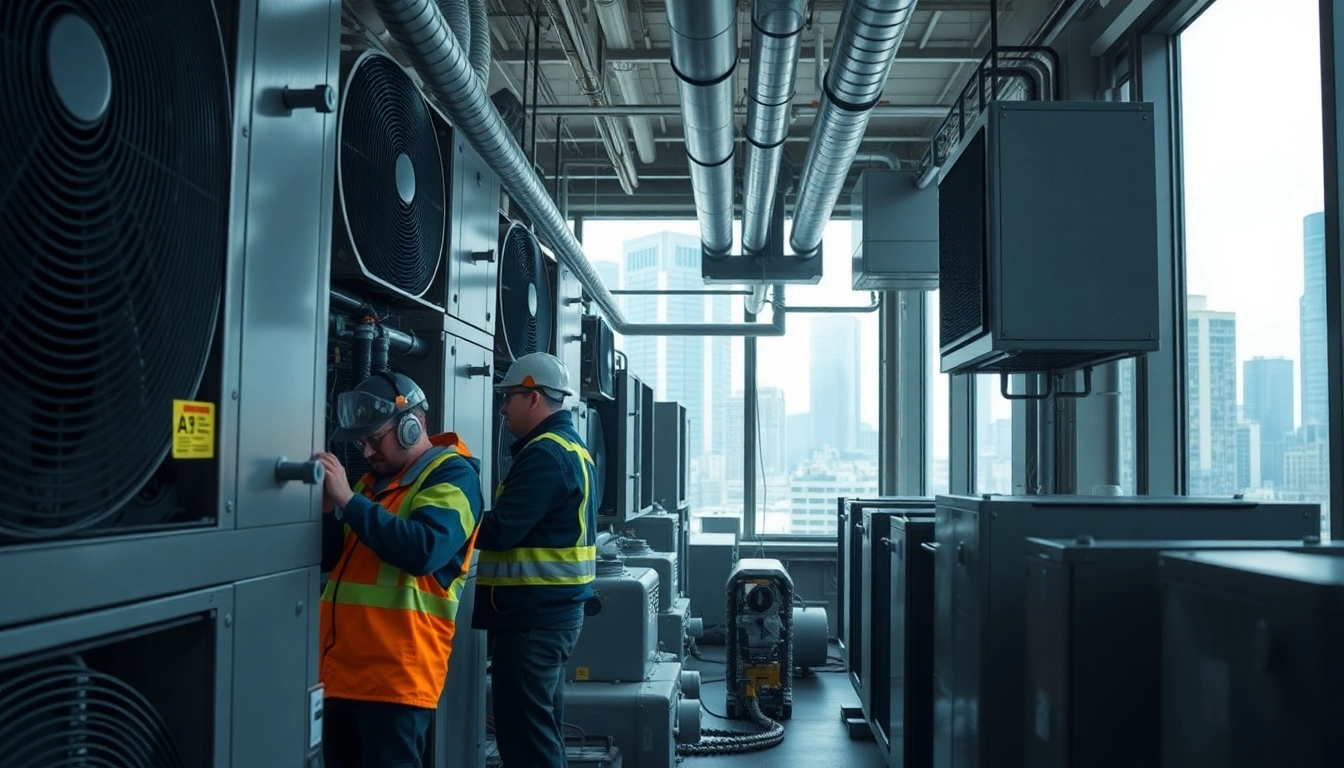
The term commercial hvac denotes the systems and equipment designed for heating, ventilation, and air conditioning in commercial buildings. Unlike residential systems, commercial HVAC is built to accommodate larger spaces and complex layouts necessitating customized solutions for each space's unique requirements. These systems integrate various components, including air handling units, chillers, ductwork, controls, and even smart technology for optimal performance and energy efficiency.
Importance of Commercial HVAC Systems
The significance of commercial HVAC cannot be understated. Several critical factors highlight its importance:
- Comfort: Maintaining a comfortable indoor climate is crucial for employee productivity and customer satisfaction.
- Health: Proper ventilation and air quality control are essential in preventing health issues related to mold, allergens, and pollutants.
- Energy Efficiency: Modern commercial HVAC systems are designed to be energy efficient, reducing operational costs while minimizing environmental impact.
- System Longevity: Quality HVAC systems, when properly maintained, can last significantly longer, saving businesses on replacement costs in the long term.
Key Components of Commercial HVAC
Understanding the key components of commercial HVAC systems is essential for effective management. These components include:
- Chillers: Used for cooling, often through vapor-compression or absorption cycles.
- Air Handling Units (AHUs): Responsible for circulating and conditioning air throughout the building.
- Ductwork: Pathways through which heated or cooled air travels to different areas in the building.
- Thermostats and Controls: Devices that regulate temperatures and maintain desired climate conditions efficiently and effectively.
- Hot Water Systems: Provide heating, often through boilers or heat exchangers.
Common Challenges in Commercial HVAC
Equipment Failures and Maintenance
Equipment failures are one of the most significant challenges practitioners face within commercial HVAC. Regular maintenance is imperative to prevent sudden breakdowns which can lead to costly repairs and downtime. Scheduled inspections, filter replacements, and checking refrigerant levels are all essential practices to ensure proper functioning and longevity.
Energy Efficiency Issues
High energy consumption in commercial HVAC systems can lead to inflated utility bills. Implementing energy-efficient practices and technologies can mitigate these costs. Often, older systems are less efficient; thus, replacing them with modern, high-efficiency models can result in significant savings. Regular assessments can help identify energy wastage and improve overall efficiency.
Indoor Air Quality Concerns
Indoor air quality (IAQ) is crucial for occupant health and comfort. Commercial spaces often harbor pollutants, allergens, and byproducts of indoor activities. Effective filtration systems and proper ventilation are essential to maintain high IAQ standards. Monitoring air quality with sensors can help manage and improve these conditions proactively.
Best Practices in Commercial HVAC Management
Regular Maintenance Scheduling
Creating a regular maintenance schedule is a best practice that can prevent many issues inherent in commercial HVAC systems. This schedule should include routine inspections, filter changes, and system performance assessments. By anticipating problems before they escalate, businesses can ensure their HVAC systems remain operational and efficient.
Energy Management Strategies
Implementing energy management strategies can significantly decrease operational costs. Strategies may include using programmable thermostats, conducting energy audits, and investing in energy-efficient equipment. Educating staff about energy-saving practices can also bolster efforts to reduce overall energy consumption.
Smart Technology Integration
The integration of smart technology into commercial HVAC opens doors to enhanced efficiency and control. Building management systems (BMS) can provide real-time data on system performance, energy usage, and maintenance needs. This data can inform decisions and identify patterns that lead to improved efficiency and reduced costs.
Implementing Commercial HVAC Solutions
Choosing the Right Systems
Selecting the appropriate HVAC system for any commercial facility requires a thorough analysis of needs, building design, and operational requirements. Also, consulting with professionals can ensure that solutions align with efficiency standards, regulatory requirements, and budget considerations.
Installation Best Practices
Proper installation of HVAC systems can significantly influence subsequent performance and energy efficiency. Engaging certified technicians who follow industry best practices guarantees systems are installed according to the manufacturer’s specifications and local codes. Accurate sizing of HVAC components is also vital to prevent future complications.
Training and Education for Staff
Your staff should understand how to operate the HVAC systems effectively. Regular training sessions can familiarize employees with system features, maintenance tasks, and best practices for energy saving. Knowledgeable staff can identify problems early, assist in troubleshooting, and reduce downtime by ensuring that systems operate within designed parameters.
Measuring Performance in Commercial HVAC
Key Performance Indicators
Monitoring Key Performance Indicators (KPIs) gives insight into HVAC system efficiency and effectiveness. Common KPIs include energy consumption per square foot, the cost of operation, and equipment uptime. Evaluating these metrics allows facilities managers to make informed adjustments for performance enhancements.
Regular Assessments and Audits
Conducting regular assessments and audits promotes greater awareness of how well HVAC systems perform over time. Audits can unveil inefficiencies and highlight areas for improvements or upgrades. Engaging third-party experts can yield unbiased insights and innovative solutions to enhance overall system performance.
Adapting to New Technologies
The constantly evolving HVAC landscape necessitates businesses staying abreast of the latest technologies. Emerging technologies, such as advanced heating methods, IoT devices, and AI-driven analytics, can optimize system performance and energy consumption. Adapting to these innovations can help businesses maintain a competitive edge and improve comfort standards.
Frequently Asked Questions
What types of buildings require commercial HVAC systems?
Commercial HVAC systems are necessary for diverse building types such as office buildings, retail spaces, warehouses, schools, and hospitals. Any space with significant occupancy or specific climate control needs typically requires an efficient HVAC solution.
How often should commercial HVAC systems be serviced?
Commercial HVAC systems should be serviced at least twice a year, ideally before the heating and cooling seasons. Regular maintenance ensures systems operate efficiently and helps prevent unexpected breakdowns.
What are the signs of HVAC system failure?
Common signs of HVAC system failure include unusual noises, inconsistent temperatures, increased energy bills, and air quality issues. Any of these indicators should prompt an immediate inspection by a qualified technician.
How can businesses improve indoor air quality?
Improving indoor air quality can involve regular maintenance of HVAC systems, using high-efficiency air filters, ensuring proper ventilation, and utilizing air purification technologies to eliminate pollutants and allergens.
What are the benefits of energy-efficient HVAC systems?
Energy-efficient HVAC systems reduce operational costs, require less maintenance, and contribute to sustainability goals. They also enhance indoor comfort while improving overall air quality in commercial spaces.