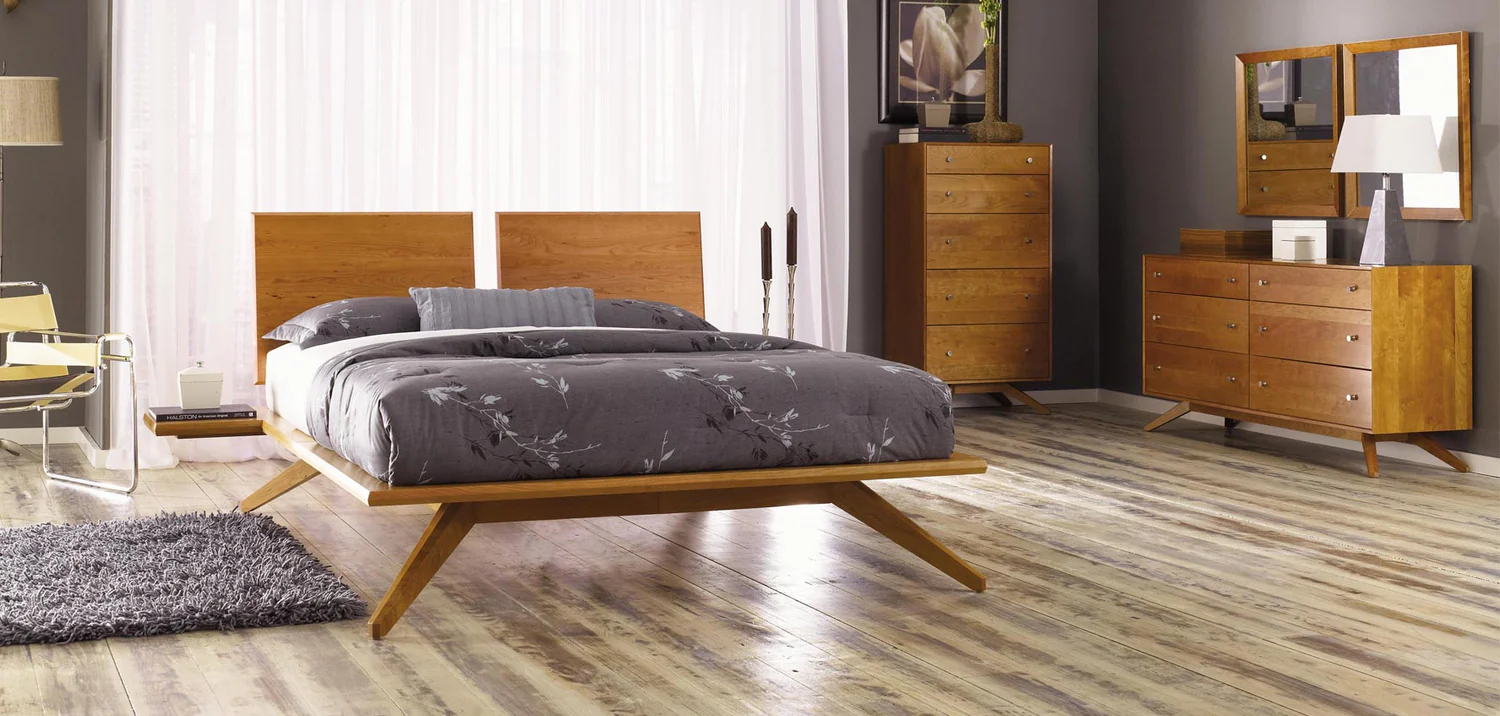
Understanding High-Quality Furniture Craftsmanship
In today's fast-paced world, where mass production often reigns supreme, the significance of high-quality furniture craftsmanship cannot be overstated. It serves as a reminder of the artistry, skill, and dedication that goes into creating pieces that are not just functional but also works of art. This article aims to delve into the essence of high-quality furniture craftsmanship, its history, benefits, and how to recognize and maintain such valuable items in your home.
Defining Craftsmanship in Furniture
Craftsmanship refers to the quality of design and skill that goes into making an object, particularly by hand. In the realm of furniture, craftsmanship encompasses everything from the selection of materials to the construction techniques used. High-quality furniture craftsmanship is characterized by meticulous attention to detail, aesthetic appeal, and an assurance of durability. It often involves traditional methods passed down through generations, further deepening its value.
Historical Significance of Quality Furniture
Historically, the value of furniture craftsmanship can be traced back to various cultural movements. From the ornate designs of Baroque furniture in Europe to the minimalist approach of Shaker furniture in America, each era has its unique signature on quality craftsmanship. These movements reflect societal values, evolving tastes, and technological advancements. As industrialization began to take hold, the emphasis on quality started to diminish in favor of mass production techniques. However, in recent years, there has been a renaissance in appreciation for handcrafted, quality pieces, which has resulted in a resurgence of skilled artisans dedicated to their craft.
Benefits of Investing in Quality
Investing in high-quality furniture offers numerous benefits that go beyond aesthetics. Firstly, such furniture tends to last longer, making it a more economical choice over time. Quality furniture often comes with warranties that speak to its durability and craftsmanship standards. Additionally, investing in quality furniture can elevate the overall ambiance of your home, reflecting your taste and sophistication. Quality pieces often carry unique designs that stand out in contrast to the ubiquitous nature of mass-produced furniture, adding character and warmth to your living spaces.
Elements of High-Quality Furniture Craftsmanship
Materials Used in Crafting
The selection of materials is one of the cornerstones of high-quality furniture craftsmanship. Artisans often choose solid hardwoods like oak, walnut, or cherry because of their strength, durability, and appealing aesthetics. Unlike particleboard or plywood, solid woods can withstand wear and tear, making them a better investment in the long run. Additionally, high-quality furniture may incorporate natural elements like leather for upholstery or metal accents, contributing to the overall beauty and durability of the piece.
Techniques That Enhance Durability
Beyond materials, the techniques used to assemble and finish furniture significantly impact its longevity. Traditional joinery methods such as dovetail and mortise-and-tenon joints provide superior structural integrity compared to screws or nails typically used in mass-produced items. The finish applied to the wood also plays a pivotal role in protecting the surface from moisture, scratches, and other potential damages. Techniques like hand-rubbed oil finishes or multiple layers of lacquer not only enhance visual depth but also protect the wood over time.
Design versus Functionality
While aesthetics are vital, functionality remains crucial in high-quality furniture craftsmanship. A well-balanced design that caters to both form and function ensures that the piece will serve its intended purpose effectively while still being pleasing to the eye. Design elements like ergonomic shapes, thoughtful proportions, and clever storage solutions can greatly enhance user experience. For instance, a beautifully crafted chair should not only look appealing but also provide comfort and support to the user.
Common Characteristics of Quality Furniture
Attention to Detail and Finish
A hallmark of superior craftsmanship is the intricate attention to detail that artisans employ. This includes flawless seams, perfectly aligned grain patterns, and high-quality finishes that reflect light beautifully. Artisans may spend hours refining edges and contours, ensuring that every inch of the item meets their high standards. Such meticulousness does not go unnoticed, as even subtle elements can greatly enhance the overall perception of the piece.
Ergonomics in Design
Comfort is an essential aspect of furniture design, particularly when crafting pieces intended for daily use. Ergonomic considerations involve understanding the human form and how individuals interact with furniture. Proper height, seat depth, and backrest support are fundamental to creating pieces that not only look good but feel good to use. High-quality furniture often incorporates these principles, ensuring that users experience both comfort and style.
Timeless Aesthetic Appeal
Timelessness is a sought-after quality in furniture design. While trends may come and go, the classic lines and elegant forms associated with high-quality furniture often ensure that pieces can be passed down through generations without appearing outdated. Strong design elements combined with durable materials create a synergy that resonates across time, ensuring that such pieces maintain their charm and appeal.
How to Identify High-Quality Furniture
Evaluating Structural Integrity
When assessing the quality of furniture, one should begin by examining its structural integrity. A well-crafted piece should exhibit sturdy construction, allowing it to withstand regular use. This can be determined by checking joints, ensuring they are tight and robust, and evaluating the weight of the furniture; heavier items are often made from solid woods rather than lighter materials that may compromise durability.
Recognizing Fine Craftsmanship
Fine craftsmanship can be recognized through various attributes such as precision in assembly, consistent surface finishes, and the use of traditional joinery techniques. Look for signs of handwork, like natural variations in wood grain or slight imperfections that demonstrate a handcrafted touch. These details often distinguish quality furniture from mass-manufactured alternatives.
Assessing Brand Reputation
While not a foolproof method, the reputation of the brand can serve as a guiding indicator when seeking high-quality furniture. Brands known for their commitment to craftsmanship often undergo rigorous quality control measures and employ skilled artisans. Reviews, customer testimonials, and industry awards can also provide insight into a brand's reliability and quality standards.
Maintaining High-Quality Furniture
Care Techniques for Longevity
Proper maintenance is crucial to ensuring that high-quality furniture retains its beauty and functionality over time. Regular dusting, using appropriate cleaning agents, and avoiding harsh chemicals should become part of your care routine. Additionally, using coasters, pads, or placemats can help protect surfaces from scratches and heat marks, preserving the finish and overall integrity of your furniture.
Restoration Tips for Aging Furniture
Aging furniture may require restoration to maintain its appeal. Begin by cleaning the piece with gentle products designed for the specific material—wood, fabric, or leather. For wooden furniture, refinishing can restore lost luster while protecting the surface. For upholstered items, consider hiring a professional for reupholstering to ensure the piece remains authentic and high-quality.
Creating the Perfect Environment for Furniture
The environment where furniture is placed can significantly affect its longevity. Avoid direct sunlight, which can fade colors and dry out materials over time. Maintain a controlled humidity level to prevent warping or cracking of wood. Proper placement away from heating vents also reduces the likelihood of damage, thereby prolonging the life of your beloved pieces.
Frequently Asked Questions
What defines high-quality furniture craftsmanship?
High-quality furniture craftsmanship is characterized by the selection of premium materials, meticulous attention to detail, strong structural integrity, and a design that balances functionality and aesthetics.
How can I identify high-quality furniture?
To identify high-quality furniture, evaluate its construction, check for fine craftsmanship, review the materials used, and consider the brand's reputation in the market.
What are the benefits of investing in quality furniture?
Investing in quality furniture ensures durability, enhances aesthetic appeal, increases comfort, and ultimately saves money in the long run by reducing the need for replacements.
How do I maintain high-quality furniture?
Maintain high-quality furniture by regularly cleaning it with appropriate products, using coasters or pads to protect surfaces, and keeping it in a suitable environment away from direct sunlight or heat sources.
Can aging furniture be restored?
Yes, aging furniture can be restored through cleaning, refinishing wood surfaces, and reupholstering, which can help to maintain its quality and appearance.