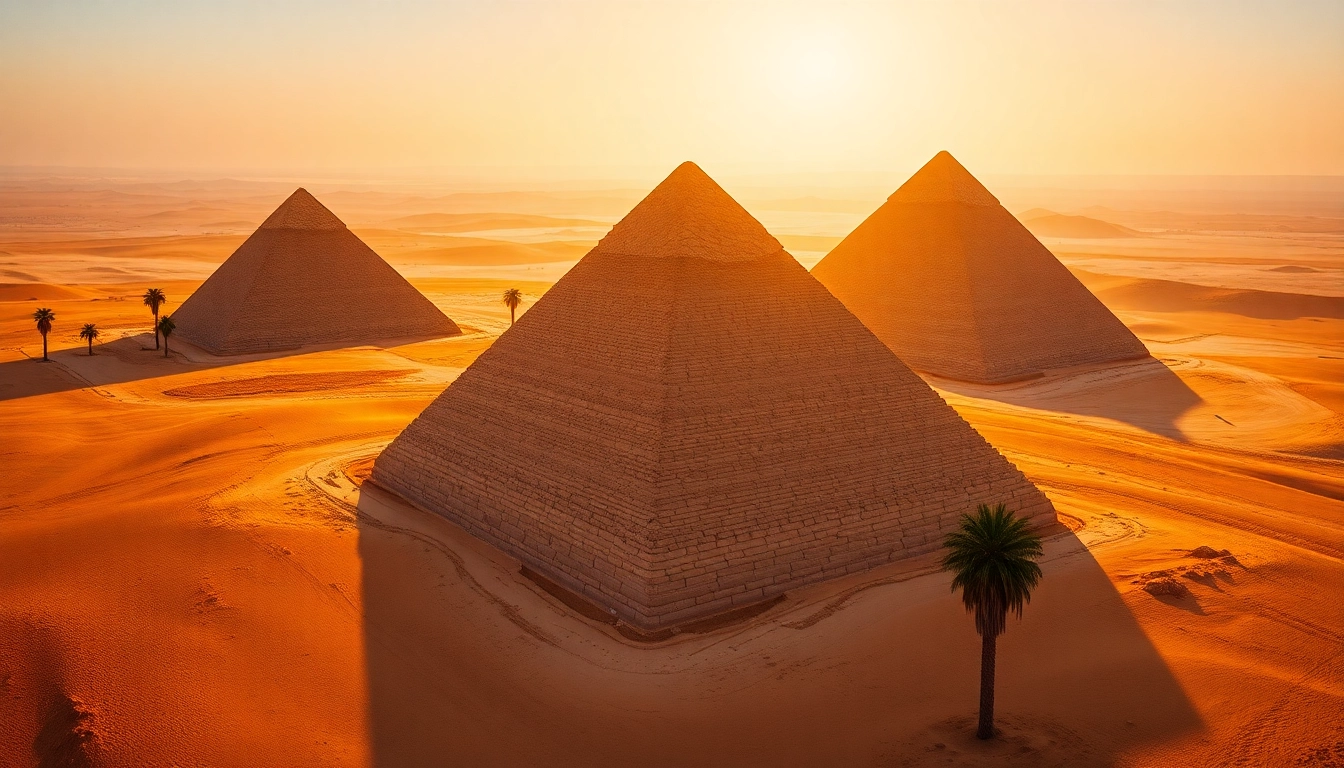
The Pyramids of Giza peak above the Egyptian desert, standing as timeless symbols of ancient engineering prowess, religious significance, and a plethora of historical mysteries. With their enduring presence and complex structures, they attract millions of visitors each year, preserving their status as one of the most studied and revered landmarks in the world. From their rich history to the intricate processes behind their construction, the allure of the pyramids extends beyond mere architecture, inviting curiosity and exploration into the annals of ancient civilization. For an in-depth exploration of this extraordinary phenomenon, one can also visit https://piraminds.com/.
The Majestic Pyramids of Giza
1. Historical Significance
The Pyramids of Giza were constructed during Egypt's Fourth Dynasty (circa 2580 – 2560 BCE) and served as monumental tombs for the pharaohs. The two foremost pyramids belong to Pharaoh Khufu and Pharaoh Khafre, with a lesser one for Menkaure. These structures not only signify the wealth and power of the rulers buried within but also reflect the ancient Egyptians' beliefs related to the afterlife. It is believed that these monumental structures were built to ensure the pharaohs' safe passage and resurrection into the afterlife, showcasing their ambition to transcend mortality.
2. Architectural Marvels
Renowned for their remarkable architectural coherence and alignment, the pyramids are an exceptional feat of engineering, composed primarily of limestone and granite. The Great Pyramid of Khufu originally stood at approximately 146.6 meters tall, making it the tallest man-made structure for over 3,800 years. The unique design of pyramid construction embodies advanced knowledge, employing a square base with triangular faces aiming towards the heavens that ensures stability and strength. It represents a physical manifestation of the Egyptian cosmology, symbolizing a staircase to the gods.
3. Cultural Impact
The impact of the Pyramids of Giza on culture is profound and far-reaching. They have become enduring symbols of ancient Egypt, inspiring countless works of art, literature, and modern architecture. The pyramids have consistently featured in popular culture, from movies to video games, depicting the mystery and allure of ancient civilization. Additionally, their presence serves as a reminder of Egypt's historical significance in the development of writing, mathematics, and urban planning.
Understanding Pyramid Construction
1. Theories Behind the Construction
Numerous theories surrounding the construction of the pyramids have been propagated over the last few centuries. These theories include the use of ramps for moving massive stones, leveraging both straight and circular ramps. Some suggest a system of levers and counterweights may have played a significant role. Research continues to evolve, with engineers and archaeologists collaborating to debunk myths while enhancing our understanding of ancient technologies.
2. Tools and Techniques Used
Although the exact tools used remain largely speculative, stone tools, chisels, and copper saws likely played pivotal roles. Innovations such as the dolerite ball used for quarrying limestone and granite were common. Furthermore, the Egyptians showcased remarkable craftsmanship, evidenced by meticulously shaped interlocking stones designed to withstand natural forces over millennia.
3. Logistics and Workforce Management
The logistics of pyramid construction drew from a massive workforce, rivaling today’s construction projects. Estimates suggest tens of thousands of laborers, who were often seasonal workers, participated in building the pyramids. Understanding their organization, labor distribution, and resource management offers significant insights into ancient Egyptian society, including their ability to mobilize resources effectively.
Insights from Recent Discoveries
1. New Research Findings
Recent archaeological endeavors have uncovered new evidence and insights into the life of pyramid builders. Discoveries indicating the existence of workers' villages and the lifestyle of these laborers provide a nuanced understanding of their societal roles. Archaeologists have found tools, pottery, and even bread remnants, reflecting a well-organized system supporting those who lived and worked on the pyramid sites.
2. Technology in Archaeology
Advancements in technology have dramatically transformed archaeological methodologies. Techniques such as 3D scanning, ground-penetrating radar, and drone technology have led to remarkable findings, including hidden chambers and structures previously undetected. As scientists continue to refine these technologies, they will unveil further secrets of the pyramids, including undiscovered passages and potential relics from New Kingdom Egypt.
3. Insights into Everyday Life
Insights derived from recent studies help dissect the daily lives of ancient Egyptians, especially those who inhabited the regions near the pyramid sites. These findings suggest a thriving community with a strong emphasis on ritualistic practices, diet, and familial structures. Such research highlights the pyramids not just as tombs, but as integral components of a larger cultural and social system.
Tourism Around the Pyramids
1. Attractions and Guided Tours
The Pyramids of Giza have become a central hub for tourism in Egypt, supplemented by a variety of attractions including the Sphinx and museums that house artifacts from these incredible structures. Guided tours range from comprehensive archaeological discussions to leisurely explorations, catering to diverse traveler interests. Companies specialize in creating immersive experiences that educate visitors while ensuring sustainability and respect for the site.
2. Cultural Events and Festivals
Cultural events and festivals often revolve around the pyramids, celebrating the rich history of ancient Egypt. These events may include reenactments, exhibitions, and fairs, which not only attract tourists but also foster local engagement with heritage preservation efforts. Through these cultural manifestations, the significance of the pyramids is conveyed and shared with newer generations.
3. Visitor Guidelines and Tips
When visiting the Pyramids, it's crucial to respect local customs and environmental protocols. Visitors should dress modestly and be mindful of local conservation efforts. It’s often recommended to hire local guides for a deeper understanding of historical context and navigate the complex terrain safely. Early morning visits can mitigate the intensity of the heat, offering a more pleasant and educational experience.
Preserving the Heritage of the Pyramids
1. Conservation Efforts
Preservation of the Pyramids of Giza is paramount due to their historical and cultural significance. Various organizations, both local and international, are engaged in ongoing conservation projects. These efforts include monitoring physical conditions, mitigating the impacts of pollution, and controlling tourism-related degradation, ensuring that these ancient structures endure for generations to come.
2. Challenges Faced
Despite ongoing conservation efforts, numerous challenges persist, including urban encroachment, climate change, and the natural erosion of stone. Managing the delicate balance between tourism and conservation remains a daunting task, requiring innovative approaches and cooperative actions among stakeholders, including governments, scholars, and local communities.
3. Future of Pyramid Preservation
The future of preserving the Pyramids relies heavily on the integration of modern technology alongside traditional methods. Investment in restoration technologies, along with sustainable tourism practices, can bolster conservation efforts. Continued international collaboration and funding will be essential in safeguarding this critical piece of global heritage against the threats it faces in an evolving world.
Frequently Asked Questions
1. How were the Pyramids of Giza built?
The construction of the Pyramids involved advanced engineering techniques while employing vast labor forces to transport and shape massive stone blocks, primarily limestone and granite.
2. What is the purpose of the pyramids?
Pyramids served as monumental tombs for pharaohs, designed to facilitate their journey into the afterlife and showcase their divine status.
3. Are there any hidden chambers in the Pyramids?
Recent discoveries indicate the presence of hidden chambers, reinforcing the ongoing exploration of the pyramids and the mysteries they hold.
4. Can tourists visit the Pyramids of Giza?
Yes, the Pyramids are a major tourist destination, with organized tours and visitor guidelines in place to ensure both safety and preservation.
5. What conservation efforts are in place for the Pyramids?
Conservation efforts include monitoring physical conditions, combating pollution, and controlling tourism impacts to preserve these historical monuments for future generations.