Understanding the World of A Deadly Chance
Overview of the Chance Freeman Character
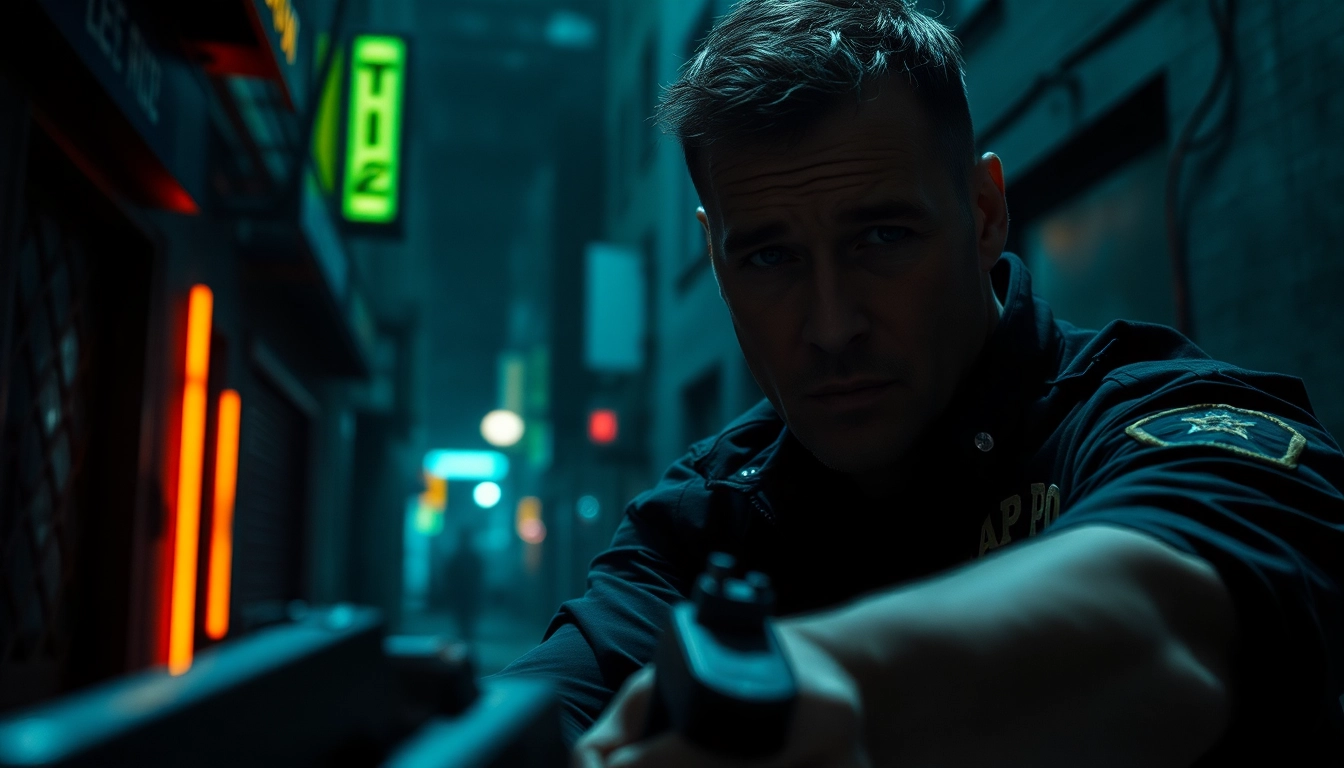
The protagonist of A Deadly Chance, Chance Freeman, is a character that embodies the complexity and grit of modern thrillers. A former LAPD SWAT officer, Freeman is depicted as a man operating by his own rules—a hallmark of the anti-hero trope often found in the genre. His character blends a fierce dedication to justice with an underlying moral ambiguity that invites readers to question not only the actions of the protagonist but the integrity of the systems he often combats.
Freeman's backstory as a SWAT officer serves as a foundational element of his character. His experience on the force has exposed him to the darkest facets of humanity, shaping his worldview and influencing his responses to high-stakes scenarios. This background allows him to navigate complex situations with a unique blend of street smarts and tactical expertise, making him a formidable force against his adversaries.
Genre and Themes Explored
A Deadly Chance is primarily situated within the thriller genre, but it incorporates elements from crime fiction, suspense, and even psychological drama. The themes explored in this narrative are rich and multifaceted, delving into subjects such as justice, morality, and the impact of trauma.
Justice and morality are central to Freeman’s journey. Throughout the story, the moral dilemmas he faces challenge the conventional notions of right and wrong. Freeman's decisions often lead him down a path that tests his ethics and ideals, creating tension that propels the narrative forward.
Another key theme is the impact of trauma—both personal and societal. As a character shaped by his past experiences, Freeman serves as a powerful metaphor for the struggles individuals face when trying to reconcile their history with their present actions. This theme resonates deeply, particularly in a world where the line between heroism and villainy is increasingly blurred.
Critical Reception and Analysis
The reception of A Deadly Chance has been largely positive, with critics praising its intricate plot and deep character development. Readers have noted that the narrative is not just about action and suspense but also about the psychological complexities that define human behavior.
Analyses of the book highlight the craftsmanship of Alex Cage in weaving a story that is both thrilling and intellectually stimulating. Readers are drawn into a world that feels palpable, enhanced by rich descriptions of urban settings that play an integral role in the story's ambiance. The compelling dialogues and layered characters further enhance the reading experience, leaving a lasting impact on the audience.
Plot Summary of A Deadly Chance
Main Characters and Their Motivations
In addition to Chance Freeman, A Deadly Chance is populated with a cast of multi-dimensional characters, each contributing to the depth of the narrative. One notable character is Emily, a mysterious woman whose enigmatic presence stirs both intrigue and suspicion. Her motivations remain hidden for much of the story, driving Freeman to navigate a web of deceit and unpredictability.
Meanwhile, the antagonist—a shrewd mastermind—embodies the themes of power and corruption. This character's motivations are rooted in a desire for control and influence, directly contrasting Freeman's more altruistic yet flawed intentions. Together, these characters create a dynamic interplay that fuels the tension throughout the narrative.
Key Plot Twists and Climax
The plot is marked by significant twists that challenge the characters' perceptions and pull the reader deeper into the mystery. Early in the story, Freeman is drawn into a missing person's case, which to him begins as a simple investigation but soon spirals into a dangerous game of cat and mouse, revealing connections to organized crime and personal betrayal.
The climax of A Deadly Chance is a masterclass in suspense. In a riveting showdown that unfolds in an urban landscape, Freeman confronts not only the antagonist but also the ghosts of his own past. The stakes are raised dramatically, as danger looms not only from external forces but from the internal conflicts Freeman must confront. This strategic build-up leads to a climax that resonates with emotional weight and moral complexity.
The Resolution and Its Implications
The resolution of the plot leaves the reader with a sense of closure while also provoking deeper thought about the consequences of one's choices. Freeman's journey culminates in a way that highlights the sacrifices made along the way and poses questions about redemption and justice. The implications of his actions extend beyond the page, inviting the reader to reflect on their own beliefs regarding morality and the nature of good versus evil.
Comparative Analysis with Other Thrillers
Similar Characters in Modern Thrillers
The character of Chance Freeman can be likened to other modern thriller protagonists, such as Jack Reacher or Lisbeth Salander. These characters share a fundamental trait: they exist on the fringes of society and operate outside traditional norms to right wrongs. Freeman's complexity adds layers to his character that draw parallels with these literary icons, allowing readers to engage with familiar themes through a fresh lens.
An interesting point of comparison is the protagonist’s personal ethos. Whereas some characters rely solely on physical prowess, Freeman employs a blend of intellect and instinct, creating a more nuanced figure that invites empathy from readers.
Thematic Comparisons in Literature
A Deadly Chance reflects the broader thematic elements prevalent in contemporary literature, particularly those revolving around the human condition. Issues such as societal disillusionment, corruption, and redemption are explored through Freeman's experiences. Comparatively, works like The Girl with the Dragon Tattoo and Gone Girl tackle similar themes, emphasizing the darker undercurrents of humanity embedded within their narratives.
This thematic exploration offers readers a rich tapestry of issues that resonate on both a societal and personal level, making Chance Freeman's story a reflection of contemporary struggles for justice, morality, and identity.
Writer's Style in the Thriller Genre
Alex Cage's writing style in A Deadly Chance stands out due to its balance of vivid imagery, engaging dialogue, and tight pacing. The narrative unfolds in a manner that keeps readers on the edge of their seats, as Cage skillfully interweaves action with character development.
Furthermore, the use of urban settings enhances the authenticity of the tale. Cage captures the vibrancy and dangers of city life, allowing readers to feel immersed in the world Freeman inhabits. This sets the stage for the story’s events, with the environment often functioning as a character in its own right.
What Makes A Deadly Chance Unique
The Role of Urban Settings in Storytelling
Urban environments play a significant role in A Deadly Chance, influencing the characters' actions and motivations. The city acts as both a backdrop and a catalyst for the unfolding drama, offering countless opportunities for danger and intrigue. Cage's ability to weave the urban landscape into the fabric of the narrative is a testament to his understanding of setting as an integral narrative device.
Moreover, urban settings in thriller novels often reflect the characters’ internal struggles—mirroring themes of chaos and unpredictability. A Deadly Chance capitalizes on this dynamic, allowing the setting to enhance the tension and stakes of Freeman's journey.
Character Development and Complexity
One of the standout features of A Deadly Chance is its commitment to character development. Chance Freeman evolves throughout the narrative, facing moral dilemmas that challenge his sense of identity and purpose. This complexity sets him apart from typical flat characters often found in thrillers, making him relatable and human.
The supporting characters, too, undergo substantial development, providing a rich exploration of human motivation and morality. Their complexities add depth to the narrative, allowing for broader themes of love, betrayal, and sacrifice to emerge.
Reader Engagement Techniques Employed
Engagement is a critical factor in any successful narrative, and A Deadly Chance excels in this area. Cage employs suspenseful pacing, cliffhangers, and emotional depth to keep readers hooked from start to finish. The evocative language used to depict characters’ internal conflicts further enhances this engagement, inviting readers to invest emotionally in Freeman's journey.
Additionally, the interplay of short, punchy dialogue and intricate plotlines ensures that readers remain actively involved in piecing together the mystery. This participatory element of reading not only elevates the entertainment value but also fosters a connection between the reader and the narrative, paving the way for a more immersive experience.
Future of the Chance Freeman Series
Anticipated Developments in Upcoming Installments
The journey of Chance Freeman does not end with A Deadly Chance. Many fans eagerly anticipate the next installments, theorizing about potential directions for Freeman's character and the conflicts he may encounter. Given the rich world Cage has created, the possibilities for plot development and character arcs are vast.
Discussions within fan communities often center around new threats emerging from the shadows of Freeman's past and the psychological repercussions his experiences may have. This anticipation is propelled further by lingering questions about supporting characters, particularly Emily, whose enigmatic nature leaves readers yearning for more insight.
Fan Theories and Speculations
As with any successful thriller, fan theories rapidly take root, adding an exciting layer of engagement. Speculations regarding potential alliances and betrayals keep readers invested in the narrative’s evolution, demonstrating the strength of Cage’s character development.
Some fans speculate that Freeman may face an eternal struggle against his own demons, reflecting the theme of trauma and moral ambiguity. Others propose thrilling new adversaries who embody the shifting societal challenges against which Freeman must contend. This layered speculation not only enriches the reader's experience but also speaks to the narrative's ability to provoke thought and discussion.
Broader Impacts on the Thriller Genre
A Deadly Chance's impact within the thriller genre extends beyond its pages. The character of Chance Freeman represents a shift towards more nuanced representations of heroes and anti-heroes alike—challenging the black-and-white morality often seen in earlier thrillers. His story aligns with a cultural move towards more complex narratives that reflect the real world, where ethical dilemmas abound and the line between right and wrong is increasingly difficult to discern.
Furthermore, the success of A Deadly Chance may inspire other authors to explore these themes in their works, fostering an environment for richer storytelling that resonates with readers on multiple levels. This evolution in the genre signifies a bright future, one that promises to blend thrilling narratives with thought-provoking explorations of human nature.