What is Derailment?
Definition and Basics
Derailment refers to the incident when a train leaves its tracks during operation. This event can lead to extensive damages not only to the train itself but also to rail infrastructure, surrounding properties, and may result in serious injuries or fatalities. Understanding the intricacies of Derailment is crucial for both railway operators and passengers, ensuring a safer rail travel experience.
Types of Derailments
Derailments can be categorized primarily into two types: those caused by external factors and those attributed to internal issues. External factors include harsh weather conditions, flooding, or obstacles on the tracks, whereas internal issues often stem from mechanical failures or track misalignment. Recognizing these types allows for better preventive measures and targeted safety protocols.
Statistics and Impact
The frequency of derailments varies considerably but is often alarming. In recent years, statistics have reflected hundreds of derailments annually in various regions. Each derailment can incur costs running into millions, encompassing not just material damage but also economic disruptions and environmental cleanup costs. Analyzing these statistics highlights the importance of continuous monitoring and technological advancements in the rail industry.
Common Causes of Derailment
Track-related Factors
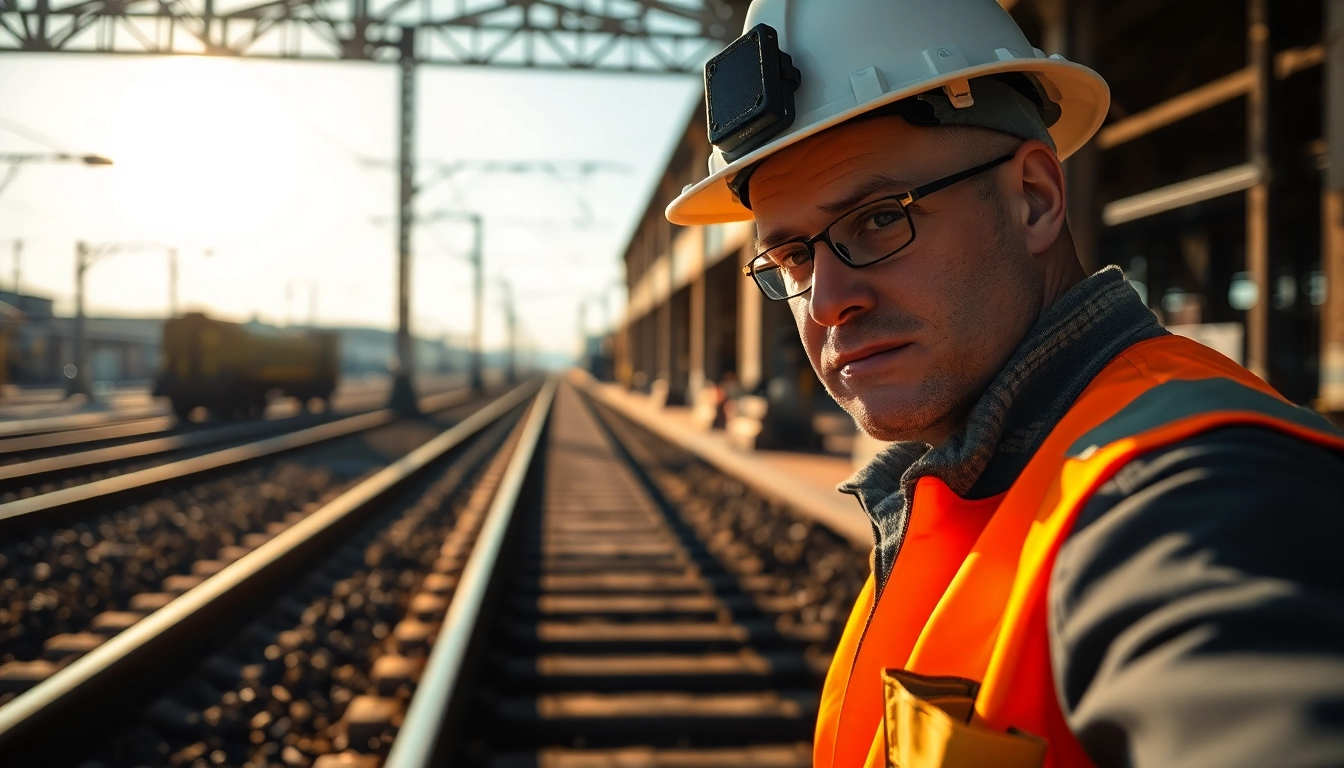
Track geometry, wear and tear, and environmental conditions such as mudslides and heavy snowfall can significantly affect railway operations. Poorly maintained tracks, including issues like track gauge misalignment or broken rails, are among the leading causes of derailments. Regular inspections and maintenance are pivotal in mitigating these risks.
Human Error
Human error remains a significant contributing factor to many derailments. This encompasses miscommunication among crew members, failure to adhere to protocol, or inadequate training. Investing in comprehensive training programs and fostering a culture of safety can notably reduce human error incidents.
Technical Failures
Defective equipment, malfunctioning brakes, or failures in the train's signaling system can also lead to catastrophic derailments. Regular maintenance schedules are essential to ensuring that all components, from trains to the signaling system, meet safety standards. Advanced monitoring technologies can play a crucial role in detecting potential technical issues before they become critical.
Consequences of Derailment
Human Safety Risks
The most severe consequence of derailments is the risk to human life. Injuries and fatalities can occur not only among passengers but also railway workers and civilians in proximity to the accident. Therefore, creating stringent safety protocols is mandatory to reduce these tragic outcomes.
Economic Impact
Derailments can lead to substantial economic losses. The immediate costs include damage to infrastructure and rolling stock, while secondary effects could involve loss of productivity and economic disruption in the affected area. Insurance claims can take years to settle, putting additional financial strain on rail operators.
Environmental Concerns
Many derailments result in significant environmental damage, especially when hazardous materials are involved. Spills can contaminate land and water resources, prompting costly remediation efforts. Understanding and mitigating these environmental impacts is increasingly becoming a focus within the rail industry.
Preventive Measures Against Derailment
Effective Maintenance Practices
Implementing rigorous maintenance schedules is crucial. This includes daily inspections, regular track repair, and timely replacement of worn-down components. The adoption of predictive maintenance strategies that leverage data analytics can improve equipment reliability and reduce the chances of malfunction.
Technology and Innovation
Recent advancements in technology offer various solutions that enhance railway safety. Automated monitoring systems can track track conditions and train performance in real time, reducing the likelihood of derailments. Innovations in rail design, including more resilient tracks, can also provide better safety margins against derailments.
Training and Awareness
Effective training programs for railway staff are critical in minimizing incidents due to human error. Regular workshops, simulations, and refresher courses can help keep the workforce aware of best practices and safety protocols. Moreover, encouraging a culture of safety can empower employees to report unsafe practices or conditions.
Case Studies and Lessons Learned
Notable Derailment Incidents
Several high-profile derailments in history serve as stark reminders of the potential risks involved. Analyzing these incidents allows the rail industry to identify weaknesses in safety measures and develop actionable strategies to prevent similar occurrences in the future. Lessons from past research indicate that combination of technical failures and human errors often play significant roles.
Response Strategies
Effective response strategies following a derailment are vital. This involves crisis management plans that can minimize immediate impacts, effective communication with the media and public, and coordinated efforts with emergency services. Learning to respond quickly and efficiently can significantly mitigate losses and improve recovery times.
Future Safety Improvements
Based on the lessons learned from past derailments, the future of railway safety looks promising. Implementing advanced technologies like artificial intelligence for predictive analytics, enhanced safety protocols, and more extensive employee training programs can vastly improve safety standards. Additionally, fostering collaborative relationships between rail companies and safety organizations can lead to best practice sharing and overall improvements in safety measures.
FAQs
What is a derailment? A derailment is when a train leaves its tracks, often due to track failure, equipment malfunction, or human error.
What causes derailments? Causes can include track conditions, equipment failures, and operational errors involving crew or maintenance personnel.
What are the effects of a derailment? Derailments may lead to severe injuries or fatalities, economic losses, and environmental damage.
How can we prevent derailments? Preventative strategies include regular track inspections, advanced monitoring technologies, and training for rail operators.
Are there regulations on derailments? Yes, various safety regulations govern rail operations to minimize derailments and ensure safe travel.