
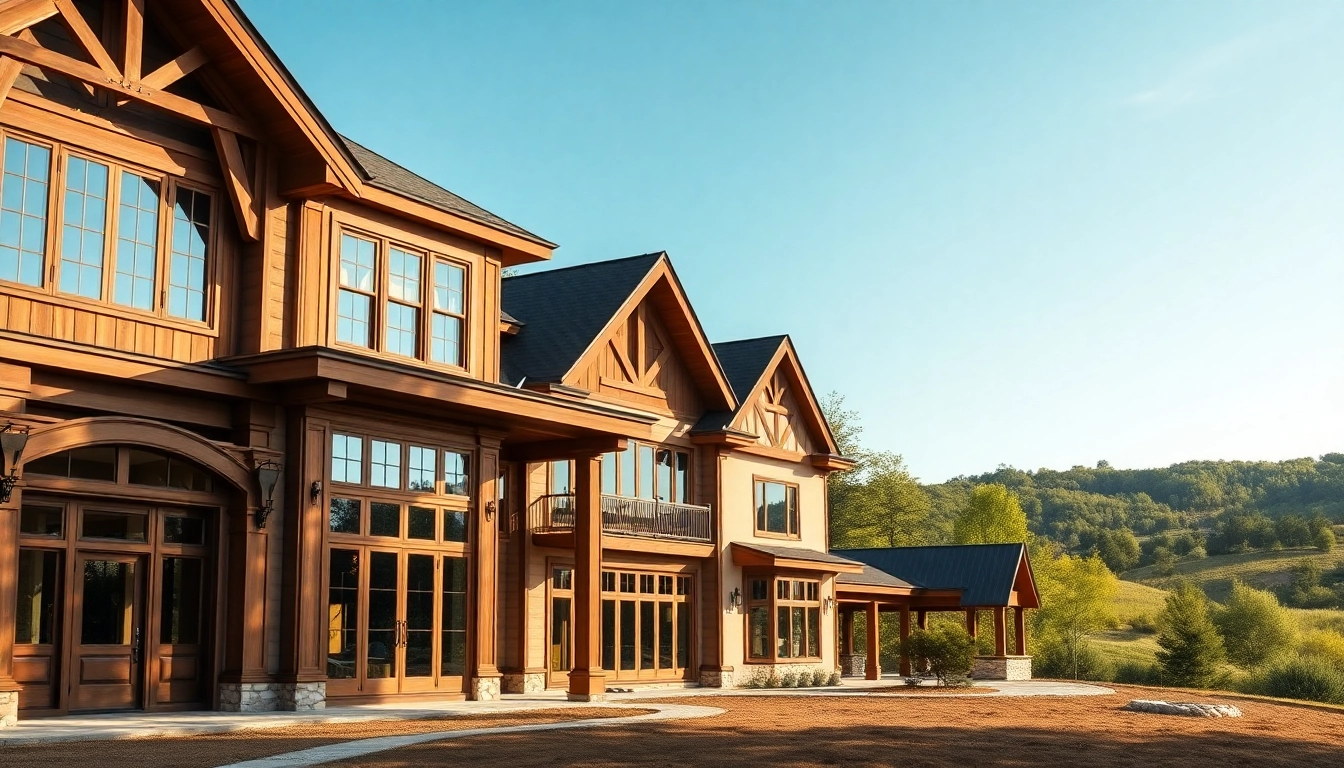
Building Your Dream: Colonial Home New Build Construction Essentials
Understanding Colonial Home New Build Construction
Colonial home new build construction reflects a rich heritage and timeless elegance in architecture. By marrying traditional aesthetics with modern conveniences, homeowners can create a unique living space that harkens back to colonial America while featuring contemporary building techniques. For those contemplating a colonial home new build construction, understanding the nuances of this architectural style is essential to crafting a dream home that stands the test of time.
The Features of Colonial Architecture
Colonial architecture is distinguished by specific features that give these homes their historical significance and charm. Key characteristics include:
- Symmetry: Colonial homes often showcase a balanced design, with windows and doors positioned in a manner that reflects symmetry.
- Columns and Porches: Many colonial homes feature prominent front porches supported by columns, creating an inviting entrance.
- Multi-pane Windows: Traditionally, these homes sport double-hung windows with multiple small panes, enhancing their aesthetic appeal.
- Classical Rooflines: Gable or hip roofs with distinct angles contribute to the iconic silhouette of colonial homes.
- Detailed Cornices: Decorative moldings and cornices often decorate the roof’s edge, adding character and elegance.
Benefits of New Builds Over Old Homes
Building a new colonial home versus purchasing a historic property provides several advantages:
- Customization: New builds allow homeowners to tailor the design to their specific needs and style preferences.
- Modern Amenities: New constructions offer the latest in technology and energy-efficient systems, enhancing comfort and sustainability.
- Fewer Maintenance Issues: A new home is less likely to have hidden problems typical in older properties, saving money and stress in the long run.
- Compliance with Current Codes: New builds adhere to up-to-date building codes, reducing liability and ensuring safety.
- Increased Value: Custom-built homes often appreciate more significantly in value compared to older homes, offering a sound investment.
Key Design Elements to Consider
When planning a colonial home new build, several design elements should be considered:
- Floor Plan: Open versus traditional layouts can influence flow and functionality.
- Exterior Materials: Choices between brick, wood, or vinyl will impact maintenance and aesthetics.
- Landscaping: The surrounding garden should complement the architecture, enhancing curb appeal.
- Interior Layout: The arrangement of living areas, bedrooms, and bathrooms affects daily living.
- Energy Efficiency: Consideration of sustainable building practices and materials can affect long-term utility costs.
Planning Your Colonial Home New Build Construction
Finding the Right Location
The location of your new colonial home plays a crucial role in overall satisfaction. Consider the following factors:
- Community and Environment: Look for a neighborhood that aligns with your lifestyle and offers necessary amenities.
- School Districts: Proximity to quality schools can enhance family life and property value.
- Access to Transportation: Proximity to major highways or public transport can save time on commutes.
- Future Development: Investigate any proposed developments or zoning changes in the area that might impact property value.
Engaging With Architects and Builders
Finding the right architect and builder is critical for your colonial home project. Here are steps to ensure a successful partnership:
- Research: Look for professionals with experience in colonial architecture and new builds.
- Portfolio Review: Examine previous projects to gauge design style and quality of work.
- Communication: Ensure that you and your chosen architect or builder have clear, open lines of communication for seamless collaboration.
- References: Ask for testimonials or references from past clients to get insight into the working relationship and finished product.
Budgeting for a New Build
Proper budgeting is essential for the success of your construction project. Consider these aspects:
- Initial Costs: Factor in land acquisition, design fees, and permits as initial expenses.
- Construction Costs: Itemize costs for labor, materials, and significant systems like plumbing and electrical.
- Contingency Fund: Set aside funds for unforeseen expenses that may arise during the build.
- Long-term Costs: Consider future utility costs and maintenance when budgeting.
Materials Used in Colonial Home Construction
Choosing Sustainable Building Materials
Among the most impactful decisions is the choice of materials, particularly sustainable options. Key benefits include:
- Environmental Impact: Sustainable materials reduce environmental harm during manufacturing and construction.
- Energy Efficiency: The right materials can enhance insulation and lower energy bills.
- Longevity: Quality materials can result in a durable, low-maintenance home.
- Aesthetic Beauty: Natural materials often provide a timeless appeal, fitting well within colonial architecture.
Common Materials in Colonial Designs
Traditional colonial homes commonly utilize a variety of materials:
- Brick: Often used for facades, brick offers durability and weather resistance.
- Wood: Timber features prominently in colonial structures, from framing to siding.
- Stone: Used for foundations and landscaping, stone offers both beauty and functionality.
- Composite Materials: Modern builds often incorporate composites for sustainable siding options.
Impact on Energy Efficiency
Modern colonial home designs are increasingly focused on energy efficiency. To enhance energy performance:
- Insulation: Use high-quality insulation materials to minimize heat loss and improve comfort.
- Window Technology: Energy-efficient windows can drastically reduce heating and cooling costs.
- Energy-efficient Appliances: Select appliances that minimize consumption and align with energy-saving designs.
- Renewable Energy Systems: Consider solar energy systems to offset costs and carbon footprints.
Visualizing Your Colonial Home: Design Inspirations
Interior Layout Ideas
When designing the interior layout, consider:
- Open Spaces: Many modern homes incorporate open plans, creating fluid spaces that enhance interaction.
- Traditional Rooms: Classic dining rooms and studies offer distinct spaces for specific activities.
- Multiple Levels: An upper floor may introduce additional private living space or guest quarters.
Exterior Aesthetic Trends
The exterior design of colonial homes may include:
- Modern Color Palettes: While traditional hues are timeless, exploring bold colors can give a fresh perspective.
- Mixed Materials: Combining wood, stone, and brick creates visual interest and unique character.
- Landscaped Entrances: Thoughtfully designed pathways and gardens frame the home beautifully.
Landscaping to Complement Architecture
A well-planned landscape should harmonize with the home’s design. Consider:
- Native Plants: Using native plants reduces maintenance and increases ecological benefits.
- Walkways: Stone or brick walkways can enhance curb appeal and guide guests to the entrance.
- Outdoor Spaces: Features like patios, decks, and gardens should reflect the colonial style while offering utility.
FAQs About Colonial Home New Build Construction
What is a colonial home?
A colonial home is characterized by its symmetrical design, often with a centrally located front door and evenly spaced windows. Traditional styles originate from early American architecture.
How long does colonial home construction take?
The construction timeline for a colonial home varies based on design complexity and local regulations but generally ranges from several months to over a year.
Are colonial homes energy-efficient?
Modern colonial homes can be energy-efficient with careful planning, utilizing quality insulation, energy-efficient windows, and sustainable materials in construction.
What permits are needed for new builds?
New builds typically require various permits, including building permits, zoning approvals, electrical permits, and possibly environmental assessments based on location.
Can I customize my colonial home design?
Yes, new constructions allow for extensive customization of design elements, materials, and floor plans, making it possible to create a home tailored specifically to your preferences.