
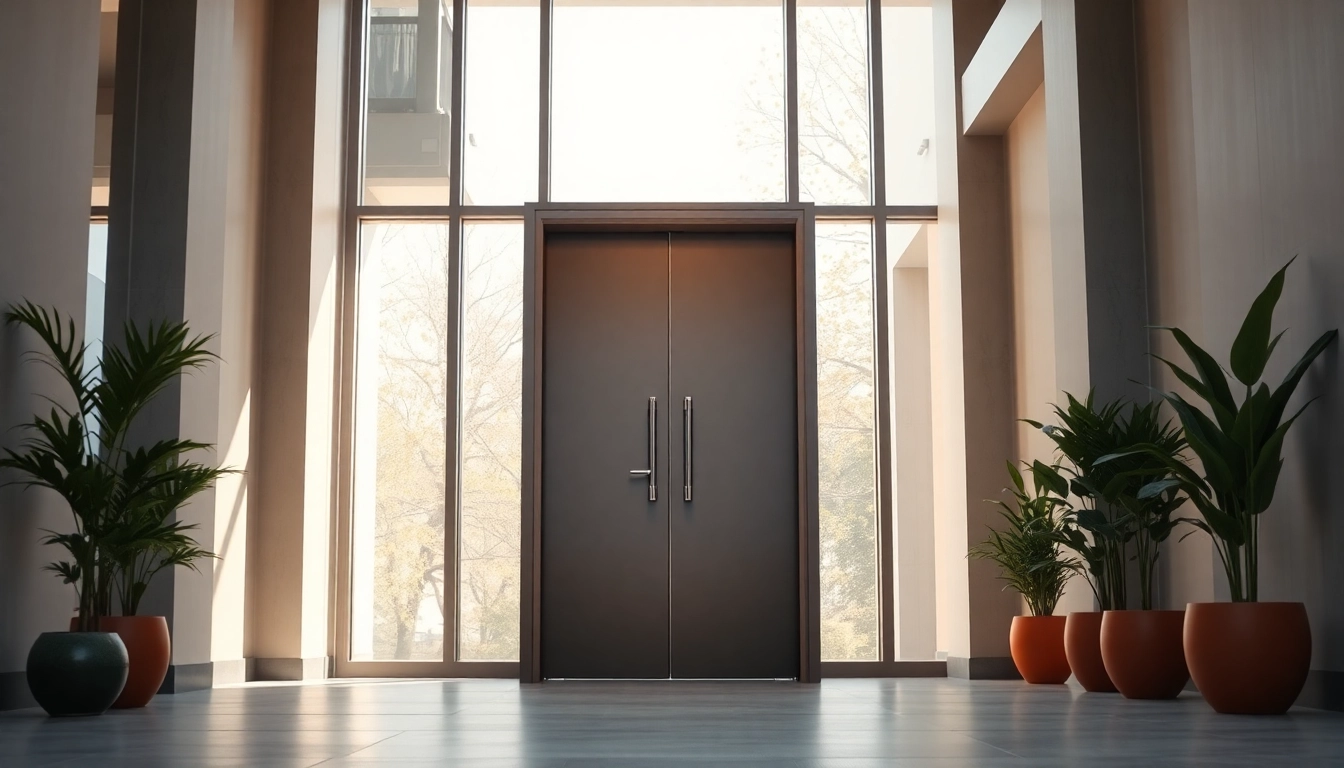
Choosing the Right Exit Door for Your Home: A Comprehensive Guide
Understanding the Importance of an Exit Door
Every home has a unique story to tell, and one integral aspect of that narrative is the choice of its doors, particularly the exit door. An exit door serves multiple purposes, playing significant roles in safety, aesthetics, and energy efficiency. Understanding its importance is crucial for any homeowner looking to enhance their property.
Role of Exit Door in Safety and Security
The exit door is fundamental for ensuring safety and security. In emergencies such as fires or intrusions, an effective exit door guarantees a swift route for escape or entry, respectively. Constructed typically from sturdier materials, exit doors come equipped with reliable locking mechanisms that provide security against potential threats. It is not merely about having a door; it’s about ensuring that door functions optimally under pressure.
Building codes often mandate specific features for residential exit doors, including size, material, and locking systems. Compliance with these regulations not only enhances safety but also boosts peace of mind for homeowners. Choosing an exit door with advanced locking systems paired with durability, such as a steel construction, can significantly reduce the likelihood of unwanted entries.
Impact on Home Aesthetics
While safety is paramount, the aesthetic appeal of an exit door should not be overlooked. The design, material, and color of your exit door can dramatically influence the overall look of your home’s exterior. Whether you opt for a traditional wooden design for a rustic charm or a sleek fiberglass door for a modern edge, your exit door can act as a focal point in your home’s architecture.
Moreover, the entryway’s design enhances a home’s curb appeal—an important consideration for future buyers. A well-chosen exit door not only reflects personal style but can also add value to your property. In neighborhoods where homes have similar layouts, a striking exit door can provide your residence with a unique character and charm.
Energy Efficiency Considerations
Energy efficiency is a growing concern for many homeowners, particularly with rising energy costs. An exit door contributes to the home’s insulation and energy efficiency. Choosing the right material is key; for instance, fiberglass doors, when properly insulated, can prevent energy loss far better than traditional wooden doors.
Installing energy-efficient exit doors not only conserves energy but can also lead to lower heating and cooling bills over time. Look for doors with Energy Star ratings, which indicate they meet energy efficiency guidelines set by the U.S. Environmental Protection Agency. This is a practical way to enhance comfort while being environmentally conscious.
Types of Exit Doors
When selecting an exit door, it’s crucial to consider the various types available, each with its unique advantages and applications.
Traditional Wooden Exit Doors
Wooden exit doors have long been favored for their natural beauty and timeless design. They are highly customizable in terms of finish, color, and style, allowing them to complement various architectural features. However, they require regular maintenance to prevent warping and damage due to moisture.
Despite these upkeep requirements, wooden doors offer insulation properties that can contribute to energy efficiency. Homeowners must consider factors such as climate and exposure when investing in a wooden exit door.
Steel Exit Doors: Strength and Durability
For homeowners prioritizing security, steel exit doors present an excellent choice due to their unmatched strength and durability. They are resistant to dents, rust, and extreme weather conditions, ensuring longevity and reliability. Steel doors can be reinforced and can feature high-security locks, making them an ideal option for exterior applications.
While they may not offer the same aesthetic versatility as wooden doors, manufacturers have developed various finishes and designs to provide enhanced visual appeal. Their ability to withstand severe conditions makes steel exit doors increasingly popular in both commercial and residential spaces.
Fiberglass Exit Doors: The Best of Both Worlds
Fiberglass doors bridge the gap between wooden and steel options, offering the best of both worlds. They can mimic the look of wood while providing improved durability and resistance to elements. Fiberglass is known for its insulation properties, helping maintain a comfortable indoor temperature.
These doors are virtually maintenance-free, resisting warping or cracking over time. Homeowners can enjoy a stylish design without the extensive upkeep associated with wood. Whether for modern or traditional homes, fiberglass exit doors deliver functionality and aesthetics.
Selecting Features for Your Exit Door
Choosing the right exit door extends beyond just material; several features should be considered to ensure functionality and efficiency.
Choosing the Right Size and Style
The size and style of your exit door should align with your home’s architectural design and your personal preferences. Standard sizes for residential doors are often 36 inches wide, providing ample space for entry and exit. However, custom sizes may be necessary for unique designs or older homes.
In terms of style, consider how the door flows with the rest of your architecture. Whether you prefer a classic look or something contemporary, selecting a door that complements your existing style will enhance your home’s overall feel.
Handle and Lock Mechanisms
Security is paramount when it comes to locking mechanisms for your exit door. Investing in high-quality locks can deter burglars and unauthorized access. Options vary from smart locks that provide keyless entry to traditional deadbolts that require physical keys. Each has its pros and cons, and understanding your security needs will guide your choice.
In addition, handle design should also be considered. Ergonomic handles are user-friendly and can be particularly valuable during emergencies when quick access is necessary.
Weatherproofing Options
Weatherproofing is essential to prolong the life of your exit door and maintain energy efficiency. Look for exit doors that feature weather stripping, which seals gaps between the door and its frame, preventing drafts and moisture intrusion. Ensure that your selected door has a solid bottom rail to protect against water damage.
Additionally, consider the installation of storm doors that can add an extra layer of protection against harsh weather conditions. These options will fortify your home’s defense against the elements.
Installation and Maintenance
Proper installation and regular maintenance are crucial to ensure the longevity and effectiveness of your exit door.
Professional Installation vs. DIY
While some homeowners may fancy a DIY approach, professional installation is often recommended for exit doors to guarantee that they meet safety standards and are installed correctly. Improper installation can lead to air leaks, security vulnerabilities, and functionality issues.
However, if you opt for a DIY installation, ensure you have the necessary tools and skills to measure accurately and follow the manufacturer’s guidelines meticulously. A well-installed door will operate smoothly and maintain integrity over time.
Regular Maintenance Tips
Maintaining your exit door is vital to its performance and appearance. Regularly check for any signs of wear, including loose hinges, cracks in the frame, or air leaks. Lubricate hinges and locks as needed to ensure smooth operation. Repaint or refinish wooden doors to prevent weather damage, and check seals around the door to ensure they remain intact.
Signs That Indicate Replacement
While good maintenance can prolong a door’s life, certain signs indicate it may need replacement. Look for significant wear and tear, such as warping, severe cracks, or difficulty opening and closing. Any signs of water damage or mold should be addressed immediately, as they can suggest deeper issues that may not be worth repairing.
If your exit door no longer seals properly or shows substantial energy loss, it may be time to invest in a new door for improved efficiency. Regular assessments can help determine the right time for replacement, minimizing disruption to your home.
FAQs About Exit Doors
What is the best material for an exit door?
The best material varies by needs. Steel provides high security, wooden doors offer aesthetic appeal, and fiberglass combines durability with style. Choose based on your priorities.
How do I ensure my exit door is energy efficient?
Select doors with high insulation ratings, such as fiberglass or properly insulated steel. Weather stripping and sealing gaps are critical for energy efficiency.
What features should I look for in a security exit door?
Opt for solid construction, advanced locking systems, and features like deadbolts or smart locks. Reinforcements will enhance security further.
Can I install an exit door myself?
Yes, providing you have the right tools and skills. However, professional installation ensures compliance with safety standards and optimal functionality.
How often should I maintain my exit door?
Check your exit door quarterly for wear or damage. Annually, conduct more in-depth maintenance like lubrication and weather stripping checks.