
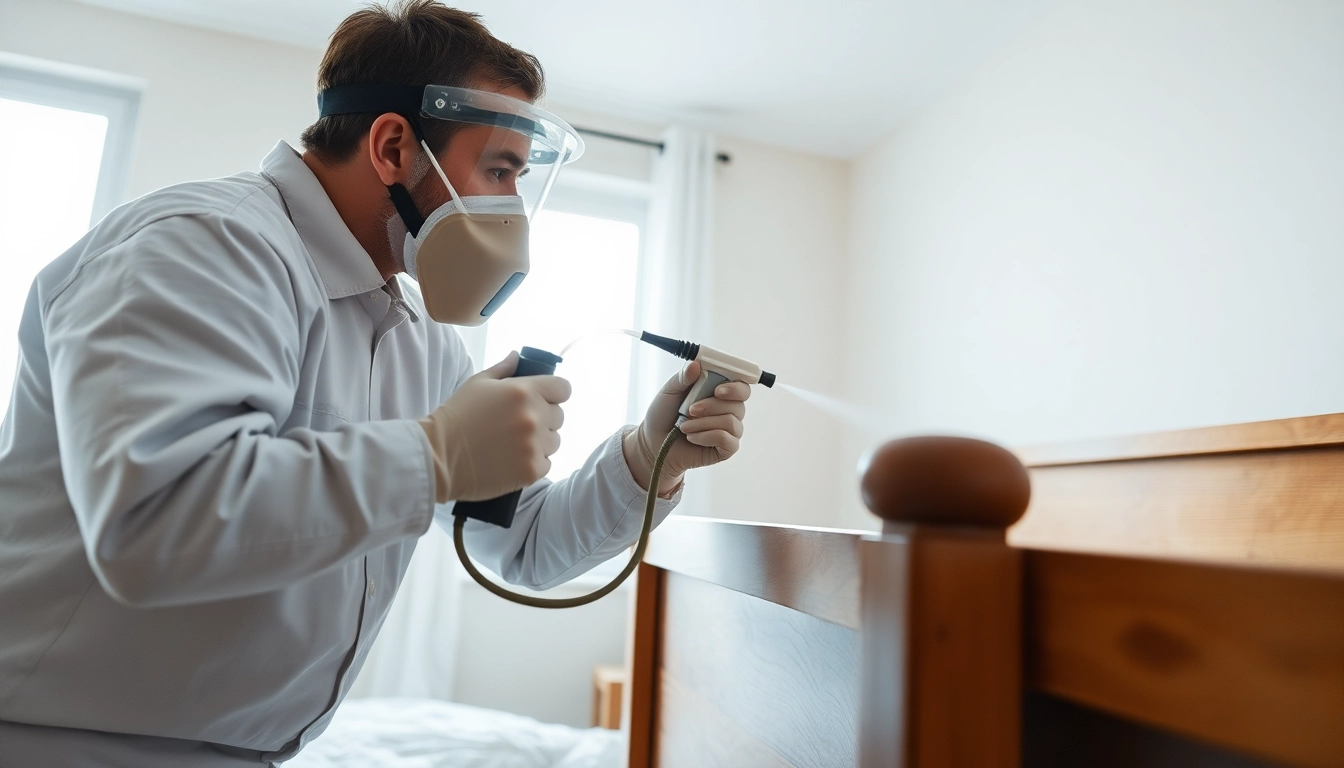
Effective Steps for Bed Bug Chemical Treatment in Your Home
Understanding Bed Bug Chemical Treatment
What is Bed Bug Chemical Treatment?
Bed bug chemical treatment refers to the use of insecticides specifically formulated to eliminate bed bugs at various life stages, including eggs, nymphs, and adults. This method is often preferred for its effectiveness in swiftly reducing bed bug populations, particularly when infestations are severe. By deploying these pesticides, households can regain comfort and safety in their living spaces. A comprehensive understanding of bed bug chemical treatment is essential for those facing bed bug issues.
How Do Bed Bug Chemicals Work?
Bed bug chemicals primarily work by disrupting the life processes of the pests. Most insecticides are neurotoxic; they affect the nervous systems of bed bugs, leading to paralysis and death. The primary mechanisms include:
- Physical Action: Some products, especially desiccants, damage the outer layer of the bug, leading to dehydration.
- Neurotoxic Action: Chemicals like pyrethroids interfere with nerve signal transmission, causing incapacitation.
- Growth Disruption: Others may target the hormonal systems, interrupting normal growth cycles and preventing reproduction.
Common Types of Chemicals Used
The most common categories of chemicals used for bed bug treatment include:
- Pyrethrins and Pyrethroids: These are the most widely used insecticides, derived from chrysanthemum flowers. They work well against adult bugs.
- Neonicotinoids: Mimicking nicotine, these chemicals target the insect’s nervous system and can be effective against resistant populations.
- Desiccants: Products containing diatomaceous earth or silica gel cause bed bugs to lose moisture and die.
- Growth Regulators: These agents prevent immature bed bugs from developing into reproductive adults.
- Natural/Insecticidal Oils: Some treatments leverage biochemicals like neem oil, which disrupts insect signaling systems.
Preparation for Bed Bug Chemical Treatment
What to Do Before Treatment?
Before initiating any chemical treatment, proper preparation is critical to achieving optimal results. Key steps include:
- Removing bedding and laundering it in hot water to kill any visible bed bugs.
- Vacuuming the entire area, including upholstered furniture, carpets, and baseboards, to physically remove bed bugs.
- Clearing clutter around the infested areas to improve accessibility for treatment.
- Sealing any cracks or crevices to reduce hiding spots.
Steps for Clearing the Area
Clearing the area in which you plan to administer chemical treatments involves the following steps:
- Remove all personal items, including clothing, toys, and electronics from the treatment zone.
- Store items in airtight bags to prevent bugs from escaping or spreading.
- Move furniture away from walls to allow for full treatment coverage.
- If necessary, designate a separate sleeping area that is bed bug-free.
Helpful Travel Tips During Treatment
If you’re planning to stay elsewhere during treatment, take these steps to avoid bringing bed bugs back:
- Inspect your luggage and items before packing to ensure you aren’t carrying any bugs.
- Keep bags off the floor to minimize contact with bugs in hotels or hostels.
- Use protective covers for luggage during travel.
Safety Precautions During Chemical Treatment
Protecting Yourself and Family
Safety during chemical treatment is paramount. Consider the following precautions:
- Ensure that children and pets are removed from the treatment area until it is deemed safe to return.
- Wear gloves and masks when handling chemical products to prevent exposure.
- Follow all manufacturer instructions for safe application and ventilation procedures.
Handling Pets Safely
Pets can be more sensitive to chemicals. To safeguard them, adhere to these guidelines:
- Keep pets outside or at a friend’s house during treatment.
- Consult your veterinarian about any toxic chemicals that should be avoided around your animals.
- After treatment, ventilate the area thoroughly before allowing pets to re-enter.
Understanding Chemical Risks
It’s essential to understand the potential risks associated with chemical treatments:
- Some individuals may experience allergic reactions; monitor for symptoms.
- Residue left on surfaces can pose risks if ingested, particularly for children and pets.
- Proper application significantly reduces but does not eliminate risks associated with chemical exposure.
Assessing the Effectiveness of Treatments
How to Monitor Success?
Following treatment, monitoring is critical to assess success:
- Use bed bug interceptors to catch any surviving bugs.
- Regularly check for signs of bites, fecal stains, or shed skins.
- Schedule follow-up inspections with a pest control professional.
When to Schedule Follow-Up Treatments
Typically, multiple treatments are necessary. Follow-up sessions might be scheduled every 7 to 14 days depending on severity and chemical effectiveness.
Signs of Chemical Resistance
Bed bugs can develop resistance to certain chemicals, so monitor for:
- Continued sightings after treatment.
- Increased bites even after multiple applications.
- Effectiveness of the applied chemicals being diminished over time.
Frequently Asked Questions About Bed Bug Chemical Treatment
What resources should I consult?
Consult pest control professionals, local health departments, and the EPA for comprehensive resources and guidelines.
Are there any natural alternatives?
Yes, options like diatomaceous earth, heat treatments, and essential oils can assist but often take longer than chemical methods.
Can I do the treatment myself?
Self-treatment is feasible using over-the-counter insecticides, but expert guidance is often more effective and safer for severe infestations.
How often do I need to repeat treatments?
The average treatment schedule is 3-4 applications, spaced weekly, depending on the infestation severity.
What are the side effects of chemical treatments?
While side effects vary, some might include skin irritation, respiratory issues, and potential allergic reactions. Ensuring proper ventilation helps mitigate these risks.