
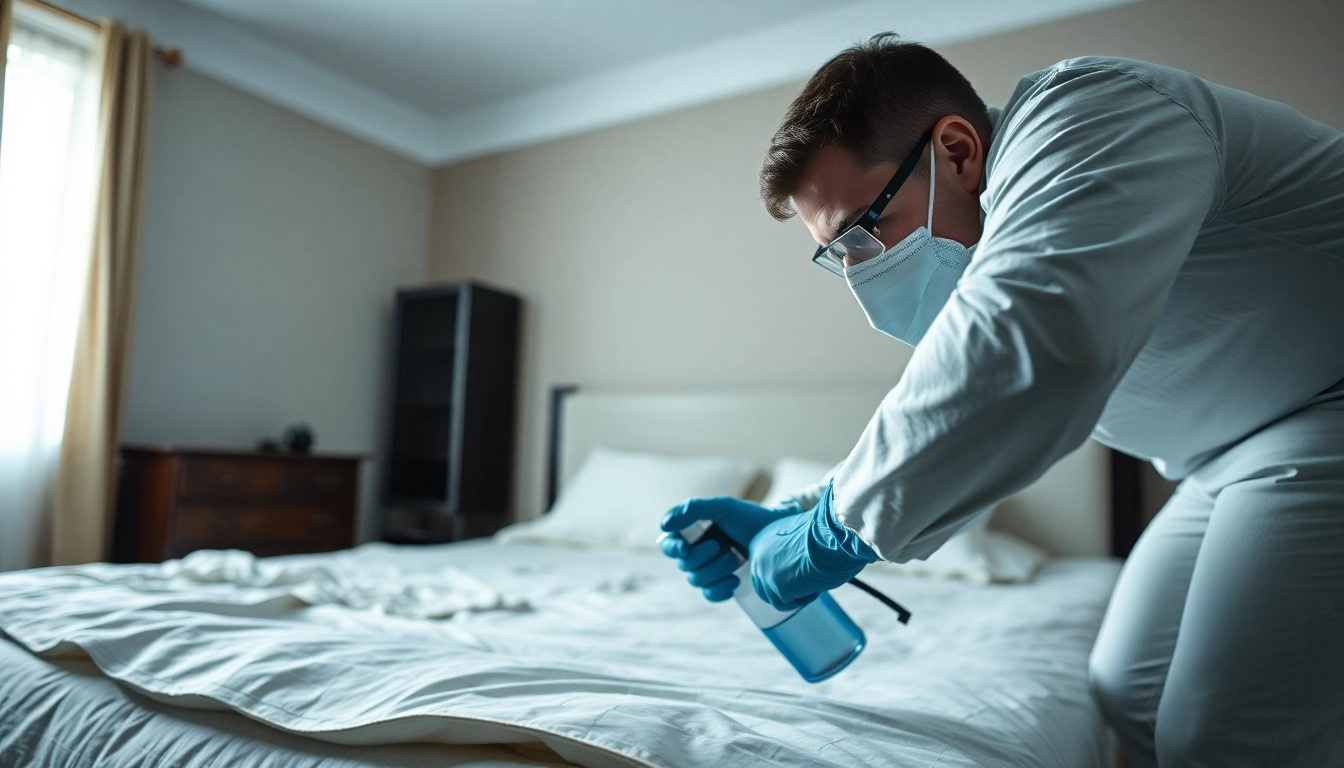
Effective Strategies for Bed Bug Chemical Treatment Success
Understanding Bed Bug Chemical Treatment
What Is Bed Bug Chemical Treatment?
Bed bug chemical treatment refers to the use of specific pesticides aimed at eradicating bed bug infestations. Bed bugs, notoriously known for their resilience and nocturnal feeding habits, require a focused strategy for effective elimination. This treatment involves applying various formulations of insecticides that target the pests at different life stages (eggs, nymphs, and adults). Notably, the treatments may include both traditional chemicals and bio-based products, depending on the methodology chosen for pest control.
One widely discussed method in bed bug prevention and eradication is bed bug chemical treatment. This approach is crucial in combating infestations that have resulted from the pests’ ability to develop resistance to certain substances, thereby necessitating the need for multiple products or combinations.
Common Chemicals Used in Treatments
The effectiveness of a bed bug chemical treatment often relies on the insecticides employed. Some of the most common chemicals include:
- Pyrethroids: These synthetic chemicals are modeled after the natural insecticide pyrethrin. They are commonly used due to their effectiveness in killing bed bugs upon contact.
- Neonicotinoids: Acting on the nervous system of insects, neonicotinoids disrupt the normal functioning and are used when other treatments fail.
- Pyrroles: Products containing chlorfenapyr break down within bed bugs to a compound that works to destroy them.
- Biochemicals: An example includes cold-pressed neem oil, offering a more natural alternative while still being effective.
How Chemical Treatments Work
Chemical treatments work primarily by targeting the nervous system or metabolic processes of bed bugs. Upon contact or ingestion, these chemicals either immobilize the insects, reduce their reproductive capabilities, or outright kill them. The aim is to minimize reinfestation and ensure that any surviving eggs do not hatch into new larvae. For treatments to be successful, pest control strategies often involve multiple applications following precise intervals, as many treatments do not provide instant results.
Preparing for Bed Bug Chemical Treatment
Steps to Take Before Treatment
Preparation is a critical aspect of ensuring that chemical treatments for bed bugs are effective. Follow these steps before treatment:
- Declutter: Remove items from affected areas to facilitate access for treatment.
- Wash Textiles: Launder all bedding, clothing, and other fabrics in hot water and dry them on high heat to kill any present bugs.
- Vacuum Thoroughly: Vacuum floors, carpets, and furniture to eliminate visible bed bugs. Dispose of the vacuum bag immediately afterward.
- Enclose Mattresses: Use protective mattress encasements to prevent bed bugs from escaping or returning to hide.
Safety Precautions During Treatment
Safety during treatment is crucial for both humans and pets. Here are some key precautions:
- Ensure that the treatment space is well-ventilated to reduce inhalation risks.
- Wear protective gear, such as gloves and masks, when handling chemicals.
- Keep pets and children away from treated areas until it is safe to return, based on product instructions.
Post-Treatment Recommendations
After applying the chemical treatments, it’s essential to follow up with proper care:
- Monitor for signs of bed bug activity, such as bites or sightings, in the weeks following treatment.
- Continue to wash and vacuum regularly to maintain a bed bug-free environment.
- If reinfestation occurs, reassess the treatment methods and consider contacting professionals for advanced solutions.
Evaluating the Effectiveness of Treatments
Signs of Successful Bed Bug Control
Evaluating the effectiveness of bed bug treatments involves looking for the following signs:
- A decrease in bed bug bites and sightings within the treated areas.
- The absence or reduction of fecal spots, shed skins, and eggs.
- Successful pest trapping with minimal signs of new activity.
Common Challenges and Solutions
While chemical treatments can be highly effective, challenges may arise:
- Resistance: Some populations of bed bugs may develop resistance to specific chemicals. In such cases, consider rotating the types of insecticides used.
- Incomplete Treatments: Missing critical areas can lead to continued infestations. Always ensure complete coverage.
- Reinfestation: New bed bugs can enter treated areas. Maintaining cleanliness and vigilance is crucial.
When to Seek Professional Help
If multiple treatments fail to resolve a bed bug issue, it may be time to consult pest management professionals. Their expertise, access to a wider range of treatment options, and advanced methods, including thermal treatments and fumigation, can ensure proper eradication. Make the call as soon as condemnation signs persist for an effective outcome.
Alternative Approaches to Bed Bug Control
Integrated Pest Management Strategies
Integrated Pest Management (IPM) combines multiple approaches to control bed bugs effectively. This strategy may include:
- Non-chemical methods like heat treatment, which can eliminate bugs when applied effectively.
- Monitoring tools to help identify and target infestations accurately.
- Sealing cracks and crevices where bed bugs may harbor.
Natural vs. Chemical Treatments
Choosing between natural and chemical treatments should reflect the specific needs of the situation. Natural treatments might include physical barriers, steaming, or the application of essential oils, which tend to have fewer side effects but may not be as effective against severe infestations. On the other hand, chemical treatments often yield quicker, more thorough results but may pose safety risks if not applied correctly.
Combining Methods for Effectiveness
Combining various methods, such as implementing both chemical treatments and heat applications, can optimize control over bed bug populations. This integrated approach lessens the chances of the pest developing resistance and provides comprehensive coverage throughout all life stages.
FAQs About Bed Bug Chemical Treatment
1. How long does the chemical treatment take to work?
The chemical treatment can take anywhere from a few hours to several days to show effectiveness, depending on the products used and the severity of the infestation.
2. Are chemical treatments safe for pets?
Many chemical treatments are safe for pets after they’ve dried; however, always consult product labels and possibly relocate pets during application.
3. How many treatments will I need?
Typically, 2 to 4 treatments are necessary to eliminate all bed bugs, with intervals ranging from 7 to 21 days between applications.
4. Can I do a bed bug chemical treatment myself?
Yes, DIY treatments are possible, but effectiveness can vary. Understanding product instructions is crucial for success.
5. What should I do if bed bugs return?
If bed bugs return, reassess the treatment method, ensure proper application, and consider consulting a professional service.