
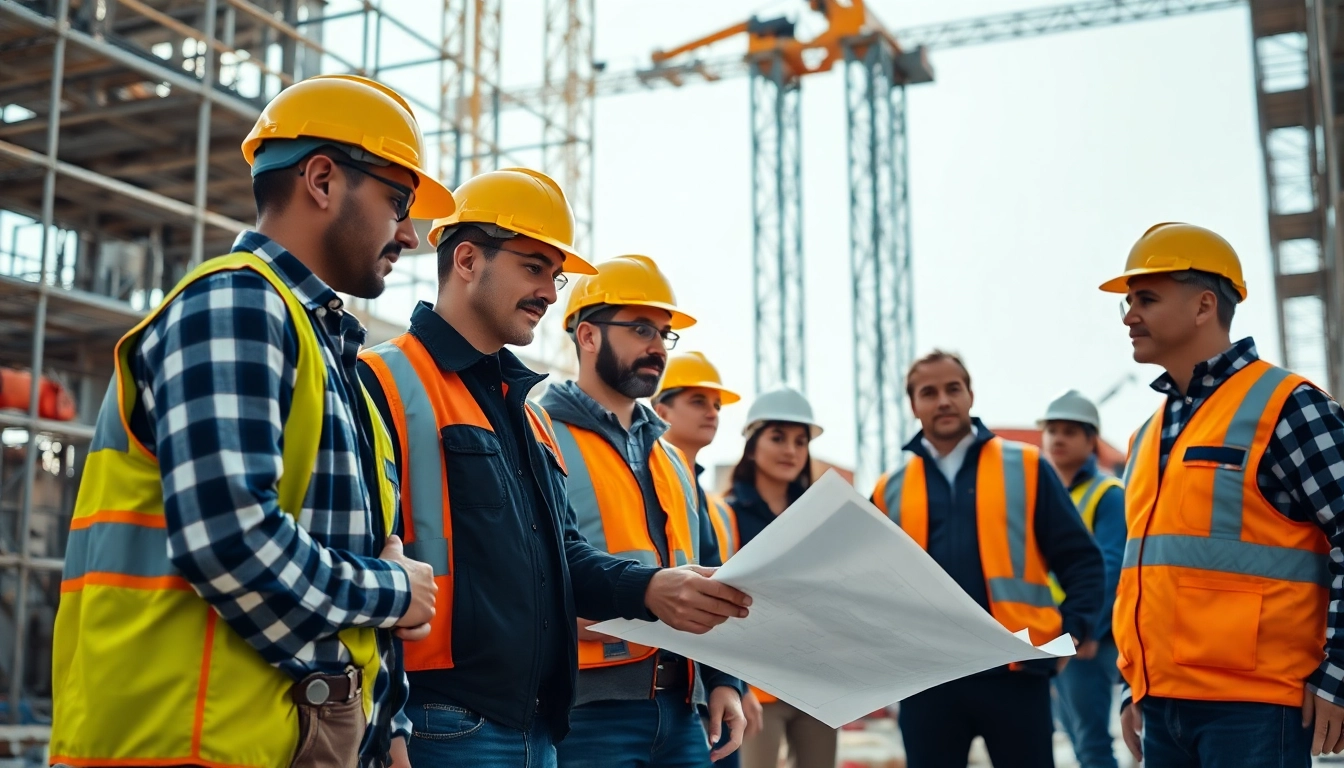
Essential Guidelines for Construction Site Safety Standards
Understanding Construction Site Safety Importance
The construction industry is inherently dangerous, with a myriad of risks lurking on any job site. Proper construction site safety measures not only protect workers but can also influence the success of a project. Understanding why safety is paramount is crucial for all stakeholders in construction, from contractors to workers.
The Role of Safety in Construction Projects
Safety in construction translates into health and well-being for workers, and ultimately, the project’s success. Without an established safety protocol, projects face delays, increased insurance premiums, and even legal repercussions arising from workplace accidents. Safety is a foundational aspect that ensures project timelines are met and budgets stay intact.
Common Risks on Construction Sites
Numerous risks are present on construction sites, including:
- Falls: Often the leading cause of accidents, falls can occur from heights, ladders, or scaffolding.
- Equipment Failures: Malfunctioning machinery can lead to severe injuries and project delays.
- Hazardous Materials: Improper handling of substances like asbestos and lead poisoning can pose long-term health risks.
- Struck-by Incidents: Workers can be injured by tools, materials, or vehicles on the site.
- Electrocution: Improperly managed electrical setups can lead to life-threatening injuries.
Benefits of Prioritizing Safety
Prioritizing safety brings numerous benefits:
- Reduced Accidents: Implementing effective safety measures decreases the likelihood of workplace incidents.
- Improved Morale: Workers feel valued and secure, resulting in higher productivity.
- Lower Insurance Costs: A strong safety record can lead to reduced premiums and liabilities.
- Enhanced Reputation: Companies that prioritize safety are often recognized as trustworthy and professional.
Key Elements of Construction Site Safety Regulations
Navigating the realm of construction site safety requires a comprehensive understanding of safety regulations. These regulations provide a framework to ensure safety compliance across all construction sites.
OSHA Standards Explained
The Occupational Safety and Health Administration (OSHA) plays a crucial role in promoting safe working environments. OSHA outlines specific standards for construction sites, which can be categorized into:
- General Industry Standards: These apply to all workplaces and address basic safety protocols.
- Construction Standards: These are tailored to the unique risks present on construction sites, covering various aspects, from scaffolding to excavation safety.
Companies must familiarize themselves with applicable OSHA standards to ensure compliance and avoid penalties.
Personal Protective Equipment Usage
Personal protective equipment (PPE) forms the frontline defense against workplace hazards. Essential PPE items include:
- Hard Hats: Protect against head injuries from falling objects.
- Safety Goggles: Shield eyes from dust, debris, and chemicals.
- High-Visibility Clothing: Ensure workers are easily seen, reducing the risk of accidents.
- Steel-Toed Boots: Offer protection against heavy objects and provide support during long hours of work.
Employers must ensure that all workers have access to the required PPE and that it is correctly used at all times.
Safety Training Requirements
Training is a critical component of safety programs. The training should encompass:
- Orientation Programs: All new hires should undergo a comprehensive safety orientation before beginning work.
- Regular Training Refreshers: Ongoing training sessions should be scheduled to address new equipment, procedures, and updated regulations.
- Emergency Response Training: Workers should be well-versed in emergency protocols specific to the site.
An educated workforce is significantly less likely to engage in unsafe practices.
Best Practices for Construction Site Safety Management
Implementing effective safety management practices is essential for fostering a culture of safety on construction sites.
Conducting Safety Audits
Regular safety audits are essential for identifying potential hazards and ensuring compliance with safety regulations. Key elements of effective safety audits include:
- Checklists: Use formal checklists to evaluate adherence to safety protocols and identify gaps.
- Documentation: Maintain thorough records of past audits to track improvements and recurring issues.
- Worker Involvement: Engage workers in the auditing process to gain insights from their perspective.
These audits should be conducted at regular intervals and whenever new procedures or equipment are introduced.
Implementing Site Safety Plans
A comprehensive site safety plan is a critical part of construction site management. An effective safety plan should include:
- Hazard Assessments: Identify all potential hazards unique to the site.
- Emergency Procedures: Outline steps to take in case of various emergencies, including evacuations and first aid responses.
- Specific Equipment Safety Protocols: Detail procedures for the use and maintenance of all equipment.
- Training and Responsibility Assignments: Assign safety roles and responsibilities to specific personnel.
Regularly reviewing and updating the safety plan ensures it remains relevant and effective.
Continuous Training and Refresher Courses
Continuous training is vital in keeping safety protocols relevant and effective. Strategies include:
- Scheduling Regular Sessions: Ensure that refreshers are part of the routine for all workers.
- Incorporating Technology: Use simulations and virtual training tools for engaging learning experiences.
- Feedback Loops: Establish mechanisms for workers to provide feedback on training effectiveness and areas that need more emphasis.
By making training a dynamic part of the work culture, companies can promote ongoing adherence to safety measures.
Creating a Culture of Safety on Construction Sites
A strong safety culture minimizes the risk of accidents, fostering engagement and responsibility among workers. Steps to achieve this include:
Encouraging Worker Participation
Involving workers in safety discussions and decision-making processes enhances their commitment to safety practices. This can be achieved through:
- Safety Committees: Form committees that include workers to discuss safety concerns and improvements.
- Safety Suggestion Programs: Create a system where workers can submit suggestions anonymously.
By valuing worker input, companies can cultivate a sense of ownership regarding site safety.
Effective Communication Strategies
Clear and concise communication is vital for safety awareness. Strategies to enhance communication include:
- Daily Safety Briefings: Hold brief meetings to discuss plans and hazards for the day.
- Use of Visual Aids: Post visual reminders of safety protocols and hazard alerts around the site.
- Open Channels: Encourage workers to speak up about unsafe conditions without fear of repercussions.
This open dialogue helps to maintain an environment where safety is prioritized and encouraged.
Recognizing and Rewarding Safe Behavior
Incentivizing safety can be highly effective in promoting safe practices. Consider these methods:
- Safety Rewards Programs: Offer incentives for teams that maintain accident-free shifts or meet safety compliance goals.
- Public Recognition: Acknowledge workers who exemplify safety practices during team meetings.
By recognizing safe behavior, companies reinforce the importance of safety and encourage a positive culture.
Measuring Construction Site Safety Performance
Regularly measuring safety performance allows workplaces to gauge the effectiveness of their safety measures. The following methods can be employed:
Key Performance Indicators (KPIs)
Establishing KPIs provides quantifiable metrics for assessing safety. Relevant KPIs may include:
- Incident Rate: Number of OSHA recordable incidents per 100 employees per year.
- Lost Time Injury Rate: Percentage of injuries resulting in days away from work.
- Near Miss Reports: Frequency of near misses provides insight into potential hazards before they result in incidents.
By tracking these metrics, construction companies can identify trends and areas needing attention.
Feedback and Reporting Mechanisms
Implementing robust feedback systems enhances information flow regarding safety concerns. Important elements include:
- Incident Reporting Systems: Ensure workers have easy access to report incidents and near misses.
- Anonymous Surveys: Conduct surveys to gather insights on worker perceptions regarding safety awareness and practices.
Constant feedback helps to identify emerging issues and areas for improvement.
Adapting Safety Practices from Insights
Lessons learned from incidents and feedback should be used to refine safety practices. This can include:
- Analyzing Incident Reports: Use detailed analysis to determine root causes and implement corrective actions.
- Updating Training Materials: Ensure training content reflects current risks based on the latest insights.
- Sharing Best Practices: Disseminate successful safety strategies among teams to promote widespread safety compliance.
By adapting practices, companies can continuously improve their safety standings.
FAQs
What are the main causes of accidents on construction sites?
Accidents typically stem from falls, equipment malfunctions, being struck by objects, and improper handling of materials.
How often should safety training be conducted?
Safety training should be conducted regularly, with new workers trained before starting and ongoing sessions to address updates and refreshers.
What is required for proper construction site safety gear?
Essential equipment includes helmets, gloves, safety boots, eye protection, and high-visibility vests to protect workers from hazards.
How can safety audits improve site safety?
Safety audits help identify potential hazards, ensure compliance with regulations, and enhance safety protocols to reduce risk on sites.
What should be included in a site safety plan?
A site safety plan must cover hazard assessments, emergency procedures, equipment specifics, and training requirements for all personnel.