
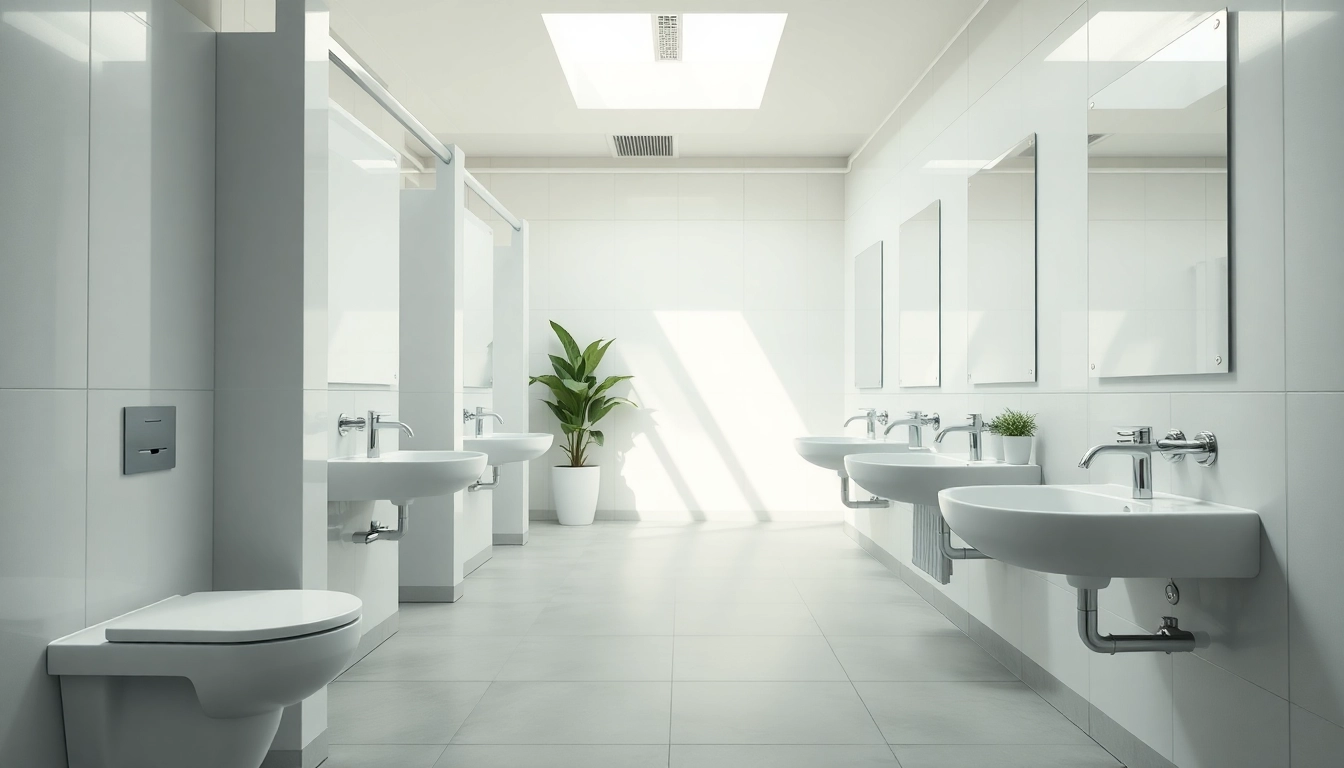
Key Factors to Consider in Commercial Toilet Refurbishment Projects
Understanding Commercial Toilet Refurbishment
What is Commercial Toilet Refurbishment?
Commercial toilet refurbishment is a strategic process aimed at upgrading and modernizing restroom facilities in commercial settings. It’s essential for businesses as it not only improves aesthetics but also significantly enhances functionality, safety, and hygiene. Refurbishment can entail anything from simple cosmetic changes, such as repainting and replacing fixtures, to comprehensive overhauls involving substantial structural modifications. The goal is to create a comfortable, efficient, and appealing environment for users.
Importance of Refurbishment in Business
In the competitive landscape of commercial enterprises, the condition of restroom facilities can greatly influence customer satisfaction and employee morale. Well-maintained and visually appealing toilets can enhance the overall brand image. Moreover, frequent use can lead to wear and tear; thus, refurbishment is vital not only for maintaining hygiene but also for extending the lifespan of the facilities. Engaging in commercial toilet refurbishment can lead to increased property value and a positive customer experience.
Common Issues Addressed in Refurbishment
Several issues can necessitate a refurbishment. First, outdated plumbing can lead to leaks, inefficient water usage, or plumbing failures. Second, worn-out furnishings can create an unhygienic environment, prompting the need for new fixtures. Lastly, design elements that lack accessibility can alienate users, making modernizing these facilities critical not just for aesthetic reasons, but also for compliance with regulations.
Planning Your Commercial Toilet Refurbishment
Setting a Budget for Refurbishment
Budgeting is crucial for any refurbishment project. It requires careful consideration of both direct costs—such as materials and labor—and indirect costs like potential downtime and loss of service. Establish a clear budget by obtaining quotes from contractors and suppliers, while also leaving room for unexpected expenses that may arise during the refurbishment process.
Hiring the Right Professionals
Selecting qualified professionals is key to a successful refurbishment. Look for contractors with experience in commercial projects, as they will understand the unique challenges involved. Check references, seek recommendations, and verify qualifications to ensure you are hiring reputable firms capable of delivering high-quality results.
Choosing the Appropriate Design and Materials
Design decisions can impact the efficiency, durability, and aesthetic appeal of your commercial toilets. Moreover, opting for sustainable materials can reduce your environmental footprint while enhancing the visual appeal of the space. Materials should be tough enough to withstand heavy usage yet comfortable for users. Consider integrating modern designs with innovative user-friendly features that maximize accessibility.
Executing the Refurbishment Process
Step-by-Step Refurbishment Guide
The refurbishment process begins with detailed planning, including obtaining necessary permits. Once planning is complete, contractors can begin demolition and removal of outdated fixtures. The next steps often involve plumbing and electrical updates, followed by the installation of new fixtures, finishes, and decor. Final inspections ensure compliance with local codes and regulations, culminating in a thorough cleaning before reopening.
Safety Protocols During Refurbishment
Safety during refurbishment cannot be overlooked. A comprehensive safety plan should address hazards such as potential slips, trips, and falls, especially during demolition or installation phases. Ensure compliance with Occupational Safety and Health Administration (OSHA) regulations and provide adequate training for workers. Display safety signage and keep clear pathways to minimize risks for both workers and customers.
Managing Disruptions in Business Operations
Minimizing disruptions during the refurbishment process requires effective communication and scheduling. Notify employees and patrons in advance about expected changes and temporarily offer alternative facilities if necessary. Consider performing renovations in phases or during off-peak hours to limit impact on daily operations.
Post-Refurbishment Maintenance
Regular Maintenance Tips
Once the refurbishment is completed, establishing a regular maintenance schedule is fundamental to prolonging the lifespan of the facilities. Routine tasks should include checking for leaks, cleaning fixtures, replacing worn items, and maintaining plumbing systems. Regular inspections can identify potential issues before they escalate into major problems, ensuring continued usability.
Signs Your Toilets Need Attention
Be vigilant for common warning signs that indicate your toilets may require refurbishment or maintenance. Persistent odors, discoloration, leaks, and frequent clogging or flushing issues are all red flags. Additionally, if the fixtures appear outdated or damaged, it may be time to consider a refurbishment.
Long-term Benefits of Proper Maintenance
Investing in post-refurbishment maintenance yields numerous long-term benefits. Improved hygiene standards increase overall user satisfaction, while well-functioning systems reduce repair costs associated with neglect. Ultimately, regular maintenance keeps facilities looking fresh and new, preserving both customer and employee goodwill.
FAQs About Commercial Toilet Refurbishment
What are the benefits of commercial toilet refurbishment?
Commercial toilet refurbishment improves hygiene, enhances user experience, and increases property value. Modernized facilities foster a positive brand image and user satisfaction.
How long does a typical refurbishment take?
Refurbishment duration varies based on scale, but typically ranges from a few days to a couple of weeks, depending on the extent of renovations required.
What costs are involved in refurbishing toilets?
Costs include labor, materials, fixtures, and potential downtime expenses. A well-structured budget is essential to accommodate all aspects of the refurbishment.
Can I refurbish toilets without closing my business?
Yes, but it requires meticulous planning to manage disruptions, ensure safety, and maintain service continuity throughout the refurbishment process.
How to choose the right fixtures for refurbishment?
Consider durability, style, and ease of maintenance to select suitable fixtures. Ensure the chosen options align with your facilities’ needs and aesthetics.