
Understanding Aluminum Prototypes: Benefits, Techniques, and Best Practices
What Are Aluminum Prototypes?
Definition and Overview
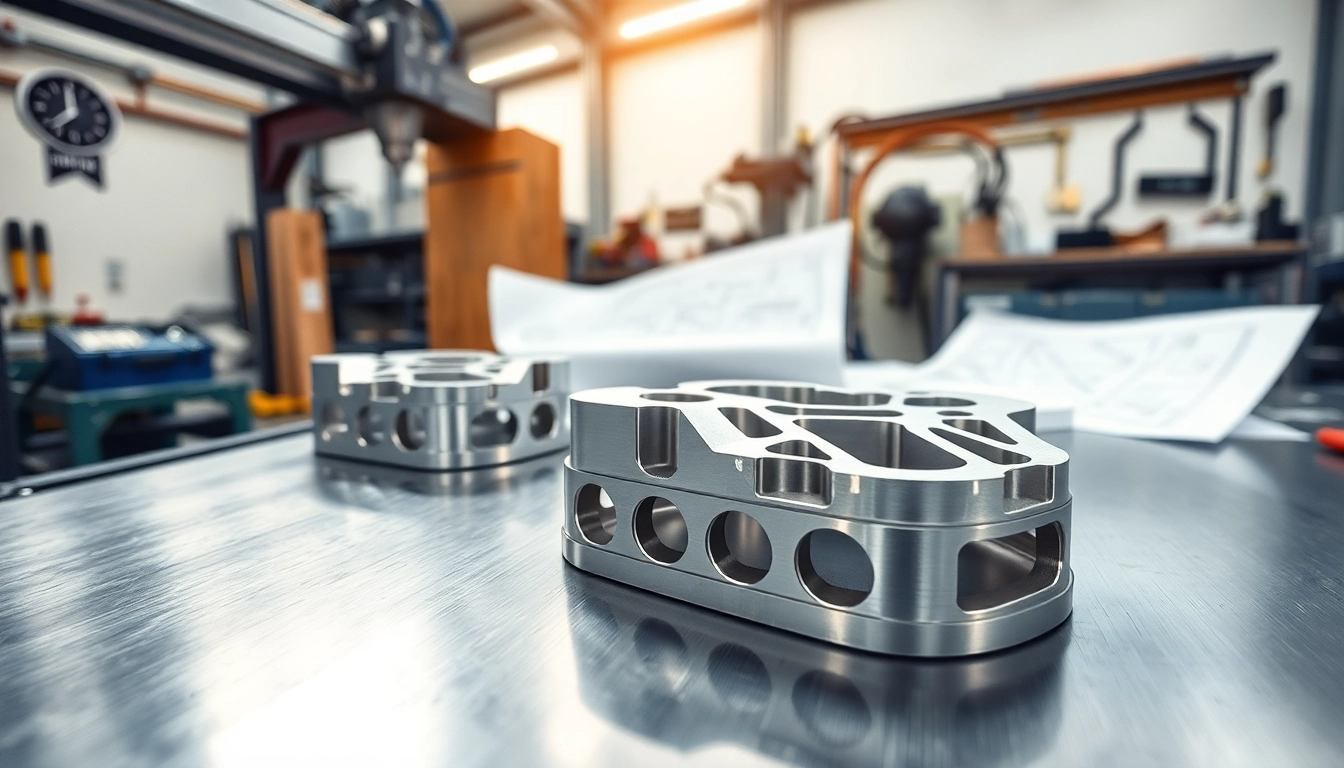
Aluminum prototypes are preliminary models or samples created using aluminum as the primary material. They are essential in the product development process, serving as a tangible representation of a design before full-scale manufacturing occurs. Utilizing aluminum prototypes allows designers and engineers to assess their concepts, verify dimensions, and evaluate the material’s performance in real-world applications.
Applications of Aluminum Prototypes
Aluminum prototypes find diverse applications across various industries, including:
- Aerospace: Used for components that require a lightweight but strong structure, such as brackets and fixtures.
- Automotive: Crucial for testing parts like engine mounts and chassis components due to aluminum’s excellent strength-to-weight ratio.
- Electronics: Employed in the production of heat sinks and casings that offer thermal management and durability.
- Consumer Products: Commonly used for items like tools, appliances, and equipment where prototyping ensures ergonomics and usability.
Difference Between Aluminum and Other Materials
Unlike plastics, wood, or other metals, aluminum offers a unique combination of benefits: lightweight, corrosion resistance, and high thermal conductivity. Compared to steel, aluminum prototypes tend to have lower density and are more resistant to rust, making them ideal for applications in harsh environments. Furthermore, aluminum’s recyclability makes it a sustainable option in today’s manufacturing landscape.
Benefits of Using Aluminum Prototypes
Cost-Effectiveness
Creating aluminum prototypes is often more economical than using other materials, particularly when considering the large quantities required for mass production. The machinability of aluminum reduces production costs, resulting in a faster turnaround time. This efficiency allows companies to save valuable resources during the prototype development phase.
Strength and Durability
Aluminum is recognized for its impressive strength-to-weight ratio. It retains its structural integrity under high stress and is less prone to deformation compared to other materials. Additionally, aluminum withstands corrosion when properly treated, making it ideal for outdoor applications or environments with moisture and exposure to chemicals.
Ease of Machining
Machining aluminum is significantly easier than many other metals. Techniques such as CNC machining allow for precision work with minimal wear on tools. This ease not only enhances the quality of the prototypes but also reduces tool replacement costs, providing manufacturers with a more cost-effective prototyping solution.
Techniques for Creating Aluminum Prototypes
CNC Machining
CNC (Computer Numerical Control) machining is one of the most popular methods for producing aluminum prototypes. It involves the use of advanced machinery controlled by computer software to achieve precise shapes and dimensions. The flexibility of CNC machining allows designers to create complex geometries, making it ideal for intricate prototypes.
Die Casting
Die casting is another efficient method for prototyping aluminum products. In this technique, molten aluminum is forced into a mold under high pressure, producing components with tight tolerances and excellent surface finishes. This method is particularly suitable for high-volume production once the design has been validated.
Sheet Metal Fabrication
Aluminum can also be manipulated through sheet metal fabrication, which involves cutting, bending, and assembling sheets of aluminum into a final prototype. This method is ideal for lightweight enclosures, frames, and structural parts and allows easy customization of designs.
Challenges in Aluminum Prototyping
Material Limitations
Despite its many advantages, aluminum has some limitations. For instance, some aluminum alloys may not be suitable for certain high-stress applications, and may require additional treatment or support structures. Understanding the specific alloy properties is essential to ensure successful prototype performance.
Machining Complexity
The complexity of the design can pose challenges in machining aluminum. Complex geometries might lead to longer machining times and increased costs. It’s crucial to balance design complexity with manufacturability to achieve desired outcomes efficiently.
Understanding Tolerances
Setting proper tolerances during the prototyping phase is essential for ensuring that the final product performs as intended. Misunderstandings regarding tolerances can lead to costly reworks. Engaging with skilled machinists early in the design process can help establish realistic tolerance levels to avoid errors.
Future Trends in Aluminum Prototyping
Sustainable Practices
Sustainability is becoming a significant focus in the manufacturing industry. Future developments in aluminum prototyping will likely include increased use of recycled materials and eco-friendly fabrication processes. Innovations in this area could lead to reduced carbon footprints and more environmentally responsible practices overall.
Advancements in Machinery
As technology advances, so too does the equipment used in aluminum prototyping. The ongoing development of faster and more precise machines will enhance the efficiency of production processes. This can lead to shorter lead times and improved prototyping quality, allowing for quicker iteration cycles.
Integration of AI in Design Processes
Artificial intelligence (AI) is set to revolutionize the prototyping process by enabling smarter design iterations. AI can analyze performance data, optimize designs for manufacturing, and even simulate how prototypes will behave under various conditions. This integration could significantly improve the speed and accuracy of aluminum prototyping.
FAQs about Aluminum Prototypes
1. Why choose aluminum for prototyping?
Aluminum is preferred for its strength, lightweight nature, and ease of machining, making it a versatile material for various applications.
2. What are the common methods for aluminum prototyping?
Common methods include CNC machining, die casting, and sheet metal fabrication, each tailored for specific prototype requirements.
3. Can aluminum prototypes be recycled?
Yes, aluminum is highly recyclable, which makes it an environmentally friendly choice for prototyping and manufacturing processes.
4. What are the main challenges in aluminum prototyping?
Challenges include material limitations, machining complexities, and the need for proper tolerance settings to ensure functional prototypes.
5. How does AI influence aluminum prototyping?
AI can optimize design processes, enhance simulation capabilities, and accelerate iteration cycles, leading to better prototyping outcomes.