
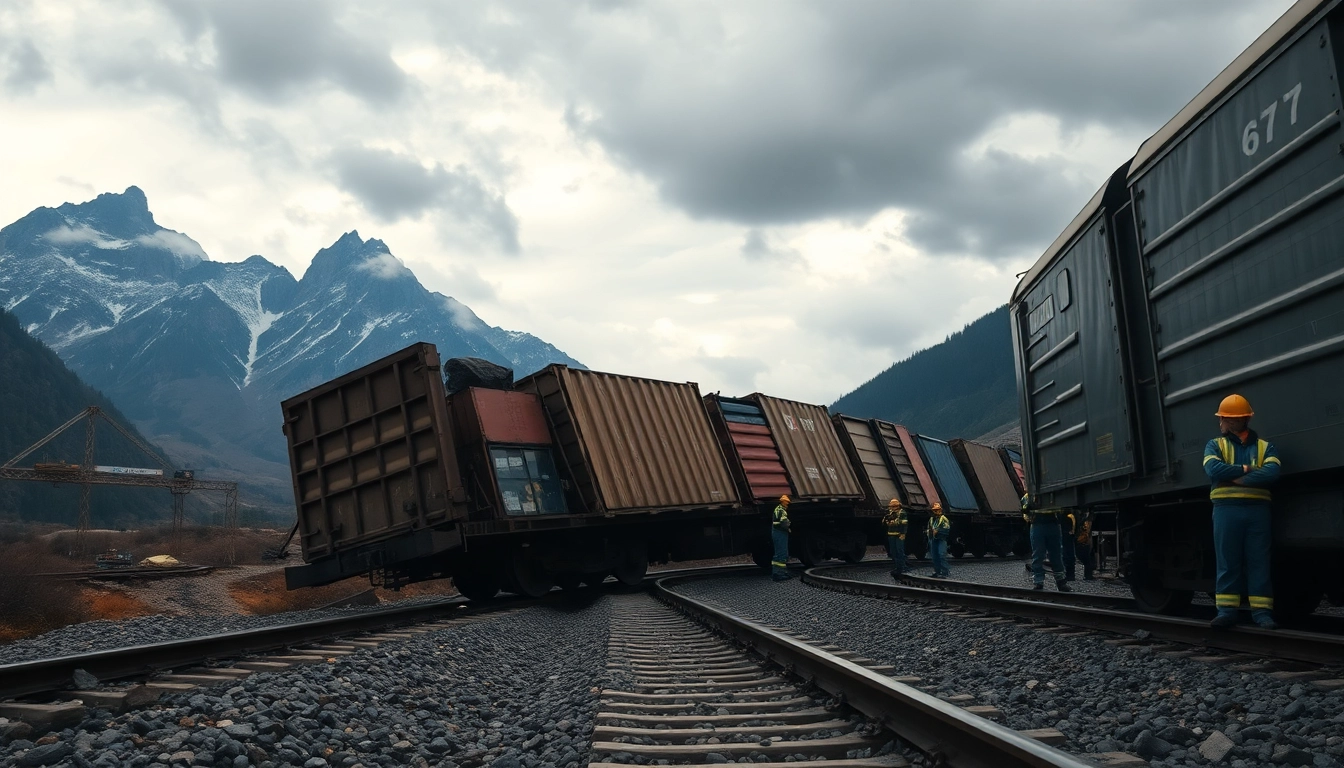
Understanding Derailment: Causes, Consequences, and Effective Mitigation Strategies
What is Derailment?
Definition and Overview of Derailment
Derailment is a critical incident in rail transport where a train leaves its designated tracks. This event can occur for myriad reasons, often leading to severe consequences for passengers, cargo, and railway infrastructure. It is crucial, therefore, to understand the intricacies involved in derailments, including their causes, impacts, and prevention strategies. A comprehensive look at Derailment provides valuable insights into improving railway safety and operational resilience.
Types of Derailments in Rail Transport
Derailments can be classified into several types based on their characteristics and circumstances:
- Complete Derailment: This occurs when all wheels of a railway vehicle leave the tracks, often resulting in severe damage and potential injuries.
- Partial Derailment: Only some wheels leave the track, which may cause unstable train operation without total loss of track adhesion.
- Derailment due to Track Infrastructure Failure: Factors such as broken rails, misaligned tracks, or loose fastenings can lead to derailment, highlighting the importance of track maintenance.
- Human Error Induced Derailment: Mistakes made by operators, such as failing to adhere to speed limits or misjudging track conditions, can result in derailments.
- Derailment from External Factors: External factors such as landslides, floods, or vehicle obstructions are significant contributors to derailments.
Common Causes of Derailments
Understanding the common causes of derailments is vital for developing effective prevention strategies:
- Track Condition: Poorly maintained or damaged tracks are primary contributors to derailments. Regular inspections and maintenance are essential.
- Mechanical Failures: Equipment malfunctions, such as brake failures or wheel defects, can compromise train stability.
- Weather Conditions: Adverse weather effects like heavy rain, snow, or ice can impact track integrity or train handling.
- Obstructions: Fallen trees, rocks, or even debris can obstruct tracks and lead to derailment during train movement.
- Human Factors: Errors by train operators, miscommunication, or inadequate training can lead to catastrophic outcomes.
Impact of Derailment on Safety
Consequences for Railway Operations
The impact of derailments extends far beyond the immediate incident, affecting railway operations in multiple ways. These may include:
- Service Disruptions: Derailments can halt train services, leading to delays and affected schedules across the railway network.
- Increased Operational Costs: Repairs and recovery efforts following a derailment can result in significant financial burdens for railway companies.
- Public Relations Damage: A derailment, particularly those causing injuries, can lead to negative public perception and loss of trust in the railway service.
Effects on Human Safety and Equipment
Derailments pose serious risks to human safety and equipment integrity:
- Injury or Fatalities: Passengers and railway staff can sustain severe injuries or even face life-threatening situations in derailments.
- Equipment Loss: Trains, cargo, and infrastructure can suffer substantial damage, necessitating costly repairs or replacements.
- Legal Repercussions: Derailments may lead to lawsuits or financial claims from affected parties, further amplifying the operational impact.
Environmental Implications of Derailments
Beyond human and operational concerns, derailments can have detrimental environmental consequences:
- Spills of Hazardous Materials: Incidents involving the transport of chemicals can lead to toxic spills, harming local ecosystems.
- Land Contamination: Fuel leaks and debris from a derailment can result in long-term contamination of soil and waterways.
- Wildlife Impacts: Train derailments can disrupt wildlife habitats, leading to displacement and fatalities among local species.
Prevention Strategies for Derailment
Infrastructure Maintenance Best Practices
Strong infrastructure maintenance is paramount for preventing derailments. Key best practices include:
- Regular Inspections: Conducting frequent assessments of track conditions, signaling systems, and mechanical components to identify and rectify potential issues.
- Timely Repairs: Ensuring swift repair of any identified defects or issues to prevent escalation into serious incidents.
- Upgrade Infrastructure: Investing in modern and resilient construction materials and designs that can withstand environmental challenges.
Technological Innovations in Rail Safety
Embracing technology is essential in enhancing rail safety measures:
- Advanced Monitoring Systems: Utilizing sensors and predictive analytics to monitor track and equipment health in real time.
- Automated Train Control Systems: Implementing advanced braking systems that can autonomously stop trains in critical situations to prevent derailment.
- Geographic Information Systems (GIS): Using GIS for risk assessment, helping identify high-risk areas and facilitating pre-emptive actions.
Training Personnel for Emergency Responses
Equipping staff with emergency response training is vital for effective derailment management:
- Regular Training Sessions: Conducting drills and simulations to prepare staff for various scenarios to ensure quick, coordinated responses.
- Collaboration with Emergency Services: Building strong relationships with local emergency services fosters a unified approach to handling incidents.
- Continual Learning: Encouraging staff participation in workshops and courses centered on safety practices and technological advancements.
Case Studies of Notable Derailments
Analysis of Historical Derailments
Reviewing historical derailments offers vital lessons for modern railway operations:
For instance, the 2004 Canadian National Railway derailment serves as a case study for understanding complex interaction between human error, track conditions, and environmental influences leading to multiple fatalities.
Lessons Learned from Recent Incidents
Recent derailments highlight the importance of continuous improvement:
- Implementation of Safety Protocols: Post-incident reviews lead to the development of industry-wide protocols that aim to avert similar accidents in future.
- Systematic Changes: Learning from previous incidents can prompt shifts in operational practices, resulting in improved safety interventions.
Comparative Study of Response Strategies
Different railway systems employ varied response strategies that can be compared for efficacy:
- Immediate Response: Evaluating how quickly and effectively different regions dispatch resources can illuminate areas for improvement.
- Long-term Management: Comparing post-derailment recovery efforts can help identify most effective strategies for minimizing operational disruptions and restoring services.
Future of Railway Safety and Derailment Prevention
Emerging Technologies in Railways
The future of railway safety largely hinges on technological innovation:
- Artificial Intelligence: AI can improve predictive maintenance and operational efficiency, proactively addressing factors leading to derailment.
- Smart Infrastructure: Integrating IoT devices will facilitate real-time data sharing and decision-making to enhance track safety.
Policy Changes Affecting Derailment Prevention
Policy reform plays a crucial role in shaping railway safety landscapes:
- Regulatory Oversight: Enhanced regulations can drive improvements in compliance standards for railway operators, promoting safety and accountability.
- Funding for Infrastructure: Increase in government funding allocations can ensure sustained investment in safety protocols and technology.
Community Involvement in Railway Safety
Engaging local communities is vital for comprehensive railway safety:
- Education Programs: Creating awareness campaigns can educate residents about railway hazards and safe interactions.
- Community Reporting: Encouraging proactive reporting of safety concerns from locals can help mitigate risks before they escalate.
FAQs
What causes derailments?
Derailments may occur due to mechanical failures, track conditions, weather, human error, or obstructions on the tracks.
How can derailments be prevented?
Regular maintenance, advanced technology, and comprehensive staff training are essential for preventing derailments.
What are the consequences of derailments?
Consequences include damage to equipment, injury to personnel, disruptions to services, and environmental harm.
How often do derailments occur?
The frequency of derailments varies by region and infrastructure quality, but they are relatively rare compared to total train operations.
What should be done during a derailment emergency?
Immediate action includes alerting emergency services, securing the area, and following established safety protocols for affected personnel.